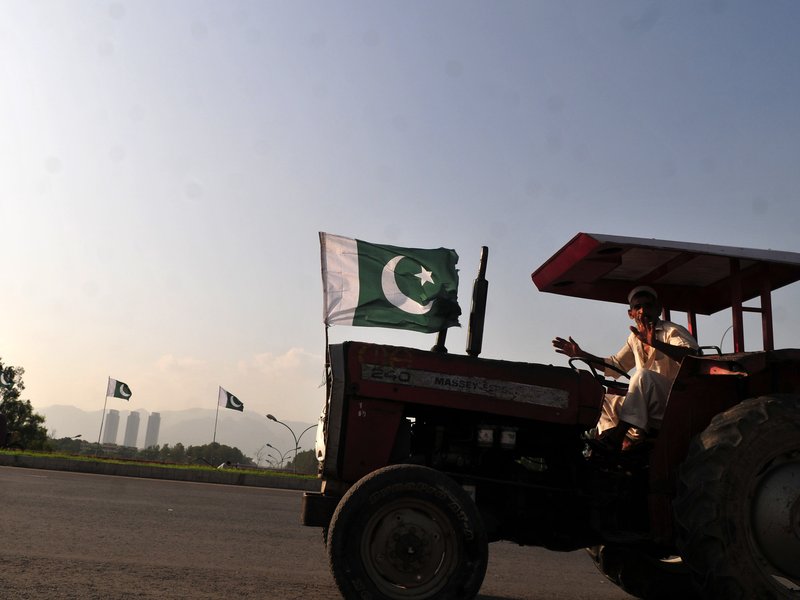


New Delhi, April 6 (IANS) Pakistan’s decision to raise petrol prices to Rs 458.40 per litre, with a petroleum levy of Rs 161 per litre, risks "a structural shock on an already fragile economy," a new report has said.
The report from Business Recorder said that the hike necessary under the constraints of the IMF programme will pass through supply chains, inflating input costs, compressing margins, and ultimately dampening output.
The hike also aims to mobilise revenue after the administration missed tax targets but ultimately end up being a direct hit on viability of small and medium enterprises and transport-dependent sectors.
"A 63 per cent increase in petrol and a 75 per cent surge in high-speed diesel prices within a month are not incremental; they are systemic," the report said, adding that the country's high logistics costs compared to peers will rise further, eroding domestic and export competitiveness.
The hike will push up food production costs, feed into food inflation but the government has ignored these risks constrained by IMF-imposed subsidy caps of Rs 152 billion.
The administration has resorted to the most convenient solution of fuel taxation as it is broad-based, difficult to evade, and administratively simple.
"As economic activity slows, fuel consumption declines, and with it, the very revenue the government seeks to maximise," the media house criticised the poor rationale, explaining that higher rates yield lower collections beyond a certain threshold.
It also slammed IMF’s role and its textbook stabilisation approach. Pakistan’s narrow tax compliance and informal sector dominance will disproportionately burden the documented economy if IMF's ideas are implemented.
“Pakistan has seen this pattern before: fiscal tightening without structural reform leads to economic fatigue and political instability,” it noted.
Analysts urged the government to prioritise expenditure rationalisation over revenue extraction and broaden the tax base. Further, it called on energy sector reforms to move beyond price adjustments by addressing structural leakages.
—IANS
aar/pk