
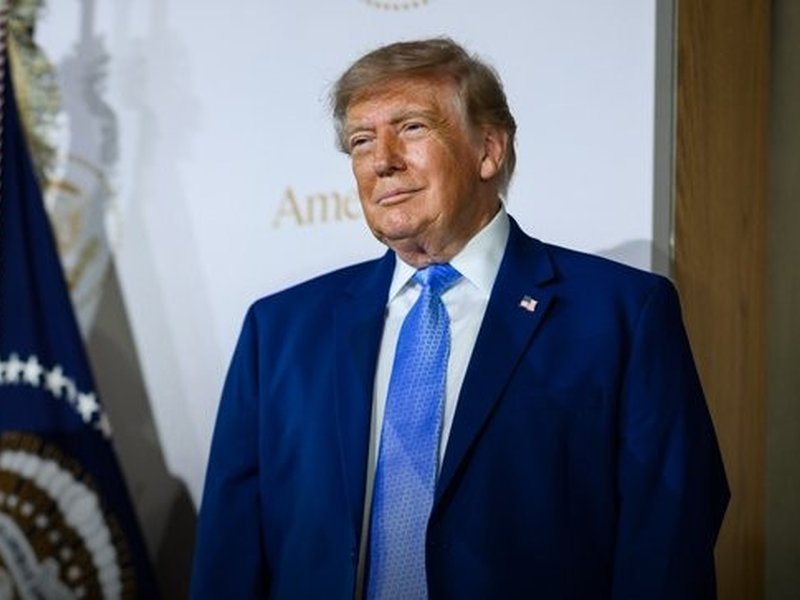
Trump rules out US diesel export ban
IANS
|
October 3, 2026 7:25 AM
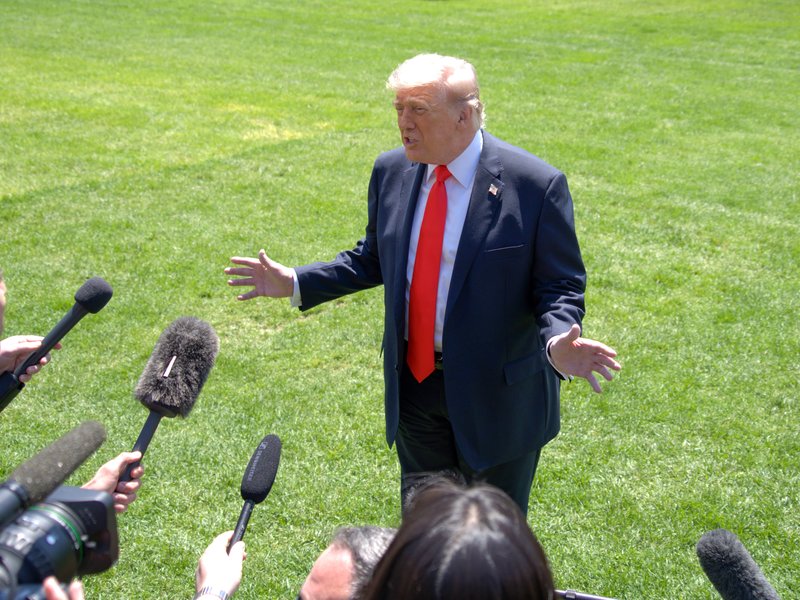
Washington, Oct 3 (IANS) US President Donald Trump ruled out a ban on American diesel exports after European countries agreed to put more diesel into the market, saying the additional supply would help bring down energy prices.