
Washington, April 6 (IANS) Global energy markets and supply chains are coming under pressure as tensions over Iran and the Strait of Hormuz escalate, with oil prices rising sharply and fears mounting over disruptions to one of the world’s most critical shipping routes.
Oil prices climbed after US President Donald Trump threatened strikes on Iranian energy infrastructure if Tehran does not reopen the Strait of Hormuz, according to CNN.
“Oil prices pushed higher Sunday after President Donald Trump threatened to strike Iranian energy facilities if the Strait of Hormuz is not reopened,” the report said, noting that Brent crude rose 1.4 per cent to $110.60 while US crude increased 1.8 per cent to $113.60.
The Strait of Hormuz, a narrow waterway between Iran and Oman, is a vital artery for global oil trade. Any disruption there has immediate ripple effects across markets.
According to The Washington Post, about 20 per cent of global oil supplies pass through the strait each year, making it one of the most strategically sensitive chokepoints in the world.
The current standoff has already begun to disrupt shipping flows. A senior Bahraini official warned that Iran’s actions have sharply reduced tanker traffic, raising broader concerns about global supply chains, Fox News reported.
“Iran’s disruption of shipping through the Strait of Hormuz has slashed tanker traffic by more than 90 per cent and is now threatening global food security and economic stability,” Bahrain’s foreign minister said, according to the report.
The impact is not limited to energy markets. Disruptions to maritime trade are also affecting food and fertiliser supply chains, with officials warning of cascading global effects.
The Bahraini minister said the crisis “has escalated beyond initial threats to vessels and now poses a broader risk to global stability,” adding that the consequences “are no longer limited to energy markets.”
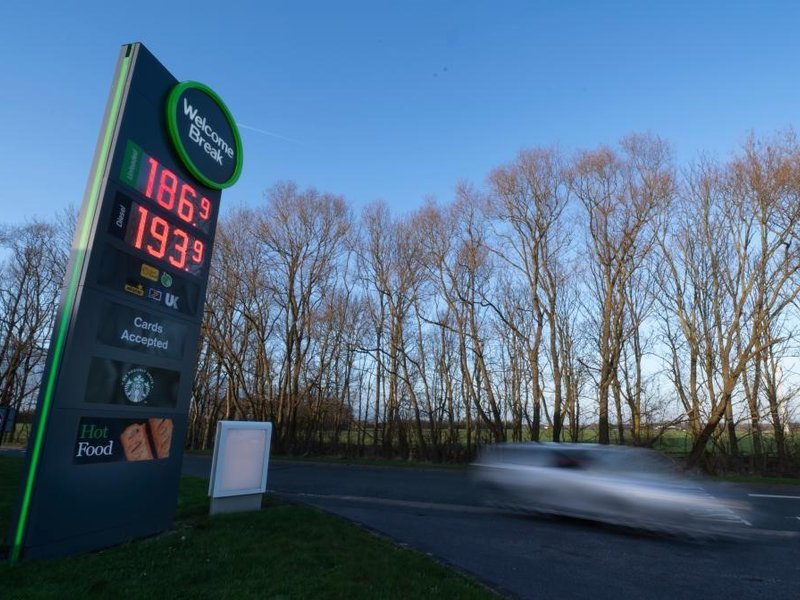
Market volatility is already visible in fuel prices. In the United States, gasoline prices have surged, reflecting rising crude costs linked to the conflict.
According to Fox News, the national average for gas has climbed to about $4.11 per gallon, up sharply in recent weeks. Prices have risen across nearly every region, with some areas already significantly above the national average.
“Gas prices are continuing to climb as the ongoing conflict with Iran drives up crude oil costs,” the report said.
Jet fuel prices have also spiked, increasing operational costs for airlines and raising the prospect of higher airfares and reduced flight capacity.
“US jet fuel prices have surged at one of the fastest paces in years, more than doubling in a matter of weeks,” Fox News reported, citing industry data.
Analysts say prolonged disruption in the Strait of Hormuz could further strain global logistics, particularly for energy-importing countries in Asia and Europe.
Beyond immediate price spikes, the situation is fuelling uncertainty in global financial markets. According to The New York Times, oil markets reacted to the weekend developments with rising prices and broader economic concerns.
“The price of Brent crude… rose to about $111 on Sunday,” the report said, adding that the conflict has rattled markets already sensitive to supply disruptions.
The escalation comes as diplomatic efforts to resolve the standoff remain uncertain. According to CNN, Oman has been involved in last-ditch talks with Iran, while regional actors including Pakistan have also engaged in discussions.
Despite these efforts, Iran has signalled it will keep the strait closed unless its demands are met, raising the risk of further escalation.
A senior Iranian official said the waterway “will remain blocked until Iran receives pay for war damages,” according to CNN.
The crisis has also triggered warnings from energy producers and international organisations. Members of OPEC+ have expressed concern about damage to energy infrastructure and the potential for prolonged supply disruptions, The New York Times reported.
“Restoring damaged energy assets to full capacity is both costly and takes a long time,” the group said in a statement cited by the newspaper.
--IANS
lkj/rs