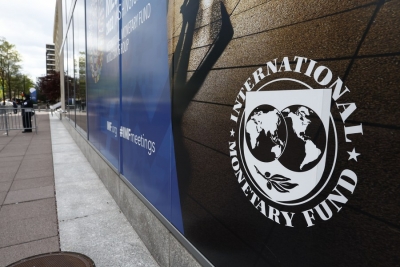
Washington, Sep 11 (IANS) The global energy shock triggered by the Middle East war is not over, the International Monetary Fund has warned, pointing to elevated oil and gas prices and sharply reduced shipping through the Strait of Hormuz.
IMF Communications Director Julie Kozack said the global economy had weathered the disruption better than initially feared. Countries had tapped oil and gas reserves, found alternative sources of energy and introduced measures to reduce demand.
But significant risks remained.
“The energy shock is not over,” Kozack told reporters here. “Oil and gas prices remain elevated. Prices of refined products such as diesel and jet fuel are also very high.”
Kozack said ship traffic through the Strait of Hormuz was only one-tenth of its pre-war level. The waterway is a critical route for global oil and gas supplies.
The use of strategic reserves had helped some countries manage the immediate disruption. Those reserves would eventually have to be replenished, however, creating additional demand.
The rapid expansion of artificial intelligence infrastructure was increasing energy demand in some countries.
“We also know that the Northern Hemisphere winter is now coming, and that will require -- that will create additional energy demands,” Kozack said.
The IMF said the global economy was being pulled in opposite directions. Higher energy and commodity prices were creating a negative supply shock, while the AI-led technology cycle was producing a positive demand shock.
“And that's just not -- I should add -- it's not just energy prices; it's some commodity prices more broadly, including fertilizer and food,” Kozack said.
Despite six months of war in the Middle East, the IMF expects world economic growth of about 3 per cent. Kozack cautioned that uncertainty remained high and that countries were being affected differently.
--IANS
lkj/rs