
New Delhi, Aug 17 (IANS) Expressing serious displeasure, the World Bank has warned the Pakistan government that redirecting funds from a multi-billion-rupee resilient housing programme for the flood-affected population in Balochistan to infrastructure projects would further aggravate poverty in the state, according to a report in the Pakistani media.
After meetings with the Federal Minister for Planning, the Chief Minister of Balochistan and others following the capping of housing support at 62,966 first-tranche beneficiaries as of June 22, 2026, and subsidy support to 97,000, the World Bank's Country Director, Boloromaa Amgaabazar, expressed concern over the decision as well as the handling of issues pertaining to fraud and corruption, the report in Dawn newspaper stated.
"Based on the socio-economic profile of the eligible household, the risk is not simply that households remain without housing assistance; rather, it is that existing vulnerabilities become mutually reinforcing and deepen over time,” the World Bank said in detailed communication to the Federal and Balochistan governments.
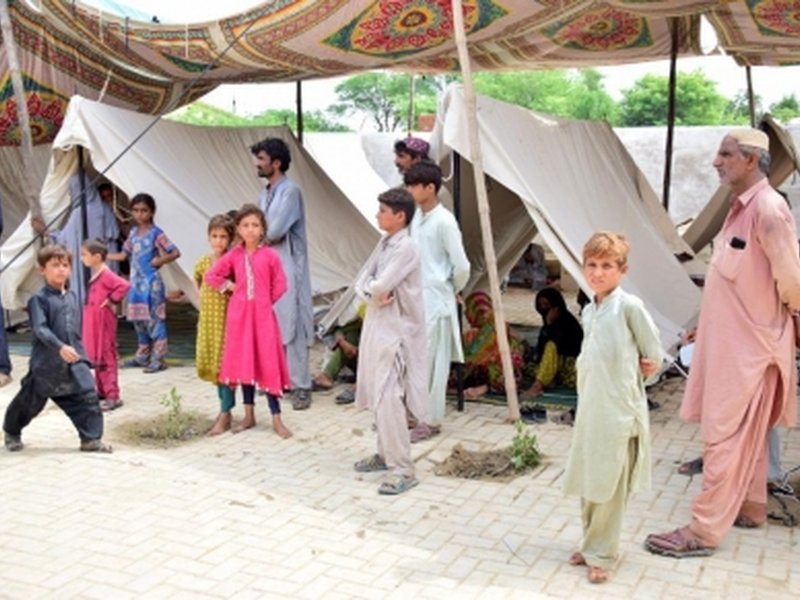
In this case, 84 per cent of eligible beneficiaries are ultra-poor and vulnerable, with 28 per cent earning less than $30 and another 26 per cent earning between $31 and $70 per month, while 39 per cent are tenants, 37 per cent are daily-wage labourers, and 8 per cent are small farmers. These groups typically have limited savings, weak access to formal credit, few productive assets and low capacity to absorb shocks, the World Bank has pointed out.
Amgaabazar wrote to the Federal Secretaries for Economic Affairs and Planning, as well as the Secretary of Balochistan, that the capping and redirection of housing support was leaving 119,049 verified and eligible households without identified financing support. Its public disclosure before the finalisation of a jointly agreed communication strategy with the bank had also created risks, as households that had completed verification and signed the project undertakings might continue to expect housing assistance.
She pointed out that 66,120 exclusion-related grievances had been registered in the project grievance management system on or before the agreed cut-off date. Therefore, each complainant should be contacted individually and formally notified of the decision.
"Written acknowledgement, or other verifiable evidence confirming delivery and receipt of the communication, should be obtained and shared with the bank for review. A credible and transparent grievance resolution process is essential to mitigating legal, operational, and reputational risks associated with eventual closure of the component," Amgaabazar wrote.
--IANS
sps/vd