
Islamabad, May 10 (IANS) Human rights abuses have increased in Pakistan, particularly for the most vulnerable groups. Women experience the most severe consequences of Pakistan's structural inequalities in the form of a femicide crisis.
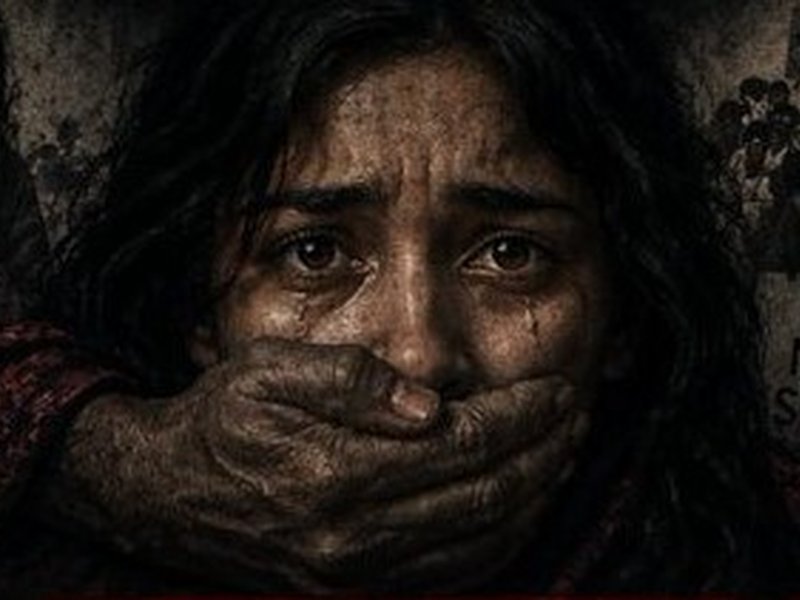
Gender-based violence, including acid attacks, forced and child marriage, rape, trafficking, forced conversion, and domestic abuse remain widespread in Pakistan, a report has stated. Hundreds of women are killed each year in so-called "honour killings", often by relatives, over perceived family shame. At least 405 cases were reported in 2024; however, the real figures are likely more, due to low reporting and weak and inconsistent enforcement, according to a report in Genocide Watch.
More than 2,000 domestic violence cases and 5,000 accounts of rape were recorded in 2024, demonstrating Pakistan’s status as one of the most dangerous countries in the world for women.
According to a 2025 United Nations report, two out of every three Pakistani women are not given reproductive autonomy, and they face abuse and pressure about their reproductive health. In September last year, the Lahore High Court ruled that marriages after puberty are valid under Islamic law, as girl marriage remains widespread in Pakistan, with millions married under the age of 18 years, according to the report in Genocide Watch.
Pakistan was ranked at the last spot in the World Economic Forum’s Global Gender Gap Index, and it faces an education crisis, with over 21 million children reportedly out of school due to poverty, social pressures, child labour, and discrimination.
Apart from gender inequality, religious minorities remain vulnerable in Pakistan. Ahmadis, Christians, and Hindus face discrimination, violence, and social exclusion due to blasphemy laws and weak enforcement. At the same time, journalists, activists, and academics face censorship, violence, threats, arrests, and murder, all perpetrated by the Pakistani government, according to the Genocide Watch report.
Human rights are further complicated in Pakistan due to security challenges, as militant groups, including Tehreek-e-Taliban Pakistan, the Islamic State of Khorasan Province, Al-Qaeda, and the Balochistan Liberation Army (BLA) carried out attacks in 2025 and 2026.
Genocide Watch urged the European Union to use GSP+ review procedures to press Pakistan on narrowly defined reforms in freedom of expression, religious freedom, and women’s rights. It urged partner states to expand emergency relocation, humanitarian visas, and protection of referrals for journalists, defenders, and religious minorities who face immediate risk.
In the report, Genocide Watch stated, "Security and diplomatic engagement with Pakistan should include public human rights benchmarks but should not assume major conditionality beyond what existing bilateral channels can support. The United Nations High Commissioner for Human Rights should campaign to consider Pakistan as a country of special concern, because of the country’s concerning record of human rights abuses against ethnic and religious minorities. Pakistan’s diplomatic and economic partners, such as the United States, China, and the United Kingdom, should urge and incentivise the country to combat honour killings and implement structural and systemic changes that would protect the lives and futures of women."
--IANS
akl/uk