
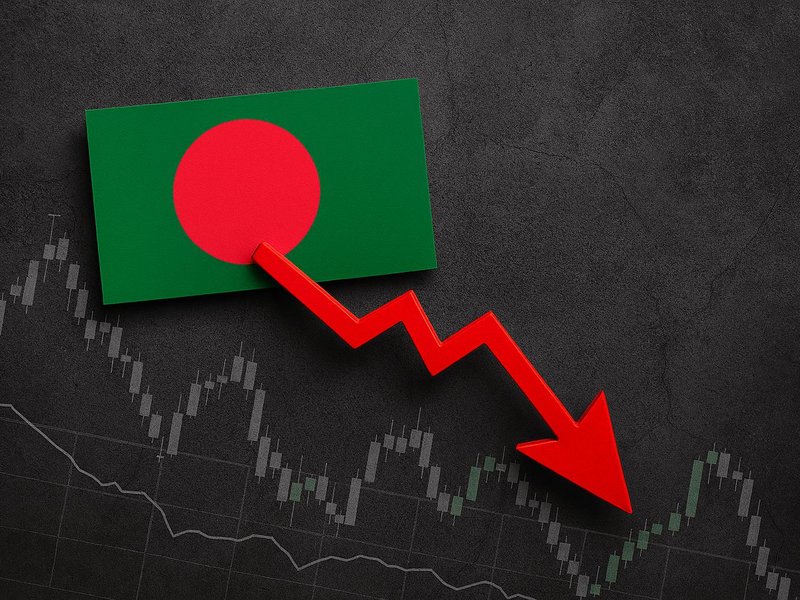
New Delhi, May 25 (IANS) Bangladesh faces a moderate risk of external and overall debt distress with limited capacity to absorb shocks in the near term, the Asian Development Bank (ADB) said.
ADB warned that weak revenue mobilisation and rising domestic borrowing are increasing fiscal pressures ahead of the country’s graduation from least‑developed‑country status, the report from Bangladesh-based The Daily Star said.
"The lender warned that Bangladesh’s graduation from LDC status in November 2026 would gradually reduce access to concessional financing and trade support measures, increasing the need for stronger domestic revenue mobilisation and improved fiscal governance," the report said.
Bangladesh’s public debt had surged to around 41 percent of gross domestic product (GDP) in FY25.
Domestic debt accounted for 55.6 per cent of the country’s public and publicly guaranteed debt stock in FY25, which raised rollover and debt-servicing pressures. The pressures were compounded by weak revenue collection and a bank-dominated investor base. External debt accounted for the remaining 44.4 percent.
The Manila‑based lender said that structural weaknesses rather than a sudden deterioration in headline debt numbers cause the risks.
The bank highlighted a low tax‑to‑GDP ratio even among lower-middle-income economies, along with weak tax administration, public expenditure management and debt administration as key vulnerabilities.
The bank maintained that external debt was largely concessional and remained below solvency thresholds, but exports moderated in FY23 and FY24, raising risks.
Rising domestic borrowing is also increasing debt service-to-revenue pressures and strengthening sovereign-bank linkages, amplifying crowding-out risks for private sector credit and contingent liabilities, the ADB said.
Stress tests showed that disaster-related shocks remain the most serious long-term threat to Bangladesh’s debt sustainability.
The report mentioned tax administration heavily reliant on manual systems, with fragmented databases, only able to collect taxes over 15 percent short of targets.
State-owned enterprises create more liabilities, with rising government guarantees, increasing Bangladesh’s overall fiscal risk exposure at a critical stage of its economic transition.
—IANS
aar/pk