
Islamabad, April 23 (IANS) Persecution of minorities, misuse of blasphemy laws, violence against women and the forced return of Afghan refugees demonstrate Pakistan's failure to protect vulnerable groups, local media has highlighted.
An editorial in Pakistan's leading daily Dawn cited Amnesty International's latest report that has criticised the state of civil liberties in Pakistan. Amendments to Prevention of Electronic Crimes Act (Peca) and anti-terror laws have increased censorship and detention powers, with journalists, activists and opposition leaders facing arrests and persecutions in Pakistan, it said.
According to the Dawn editorial, enforced disappearances remain a concern in Pakistan, with force being used against protesters and restrictions on movement.
It mentioned that economic pressure was also being used to influence media coverage, including the selective withdrawal of state advertisements from outlets in response to critical reporting about government.
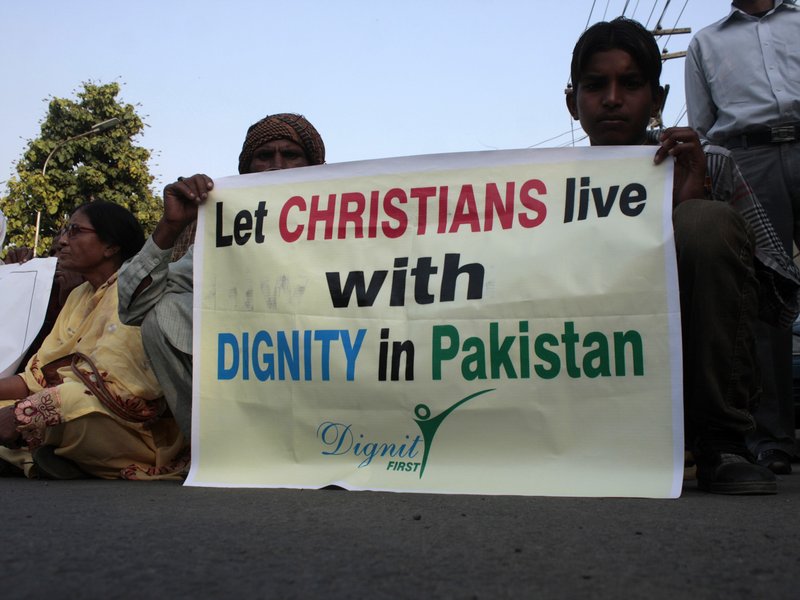
"Meanwhile, persecution of minorities, misuse of blasphemy laws, violence against women and the forced return of Afghan refugees underscore the state’s failure in protecting vulnerable groups. The path forward is clear, even if politically difficult. Pakistan must reform repressive laws, criminalise enforced disappearances, safeguard media independence and uphold the rights of minorities and refugees. It must also restore investment in social sectors and strengthen climate resilience. At its core, it is a question of priorities, and it appears rights have been set aside," Dawn emphasised.
On Tuesday, Global rights watchdog Amnesty International in its annual report highlighted a pattern of restrictions on civil liberties in Pakistan, including curbs on freedom of expression, peaceful assembly and political participation. Amnesty has stated that changes to online speech and anti-terrorism laws in Pakistan have significantly affected freedom of expression and peaceful assembly, resulting in the arrest of journalists, activists and opposition members, Dawn reported.
On legislative changes, the report mentioned that the 27th Amendment "significantly undermined the independence of the higher judiciary and provided broad immunity to the heads of the armed forces and the president." Pakistani authorities continued to use detention, cybercrime and anti-terror laws to curb freedom of expression.
According to the report, more than 100 Pakistan Tehreek-e-Insaf (PTI) leaders and activists were convicted by anti-terrorism courts in cases related to the May 9, 2023 protests. The convicted leaders include opposition leaders Omer Ayub and Shibli Faraz, Member of National Assembly (MNA) Zartaj Gul, and activist Khadija Shah, Dawn reported.
The report said that PTI founder Imran Khan remained in prison on "politically motivated charges,” citing that he had been kept in solitary confinement and not being allowed to meet his lawyer.
On violence against women, the Amnesty report cited the organisation Sahil's data, which documented a 25 per cent increase in reported cases in Pakistan over an 11-month period.
As per the report, journalists and human rights defenders were frequently targetted under the Pakistan Electronic Crimes Act (Peca). The report stated that journalists Asad Toor and Sohrab Barkat were not allowed to leave Pakistan, with Barkat later charged under Peca. The report stated that human rights defenders like Imaan Zainab Mazari and Hadi Ali Chatta in Pakistan were criminally charged for sharing posts on social media.
--IANS
akl/as