
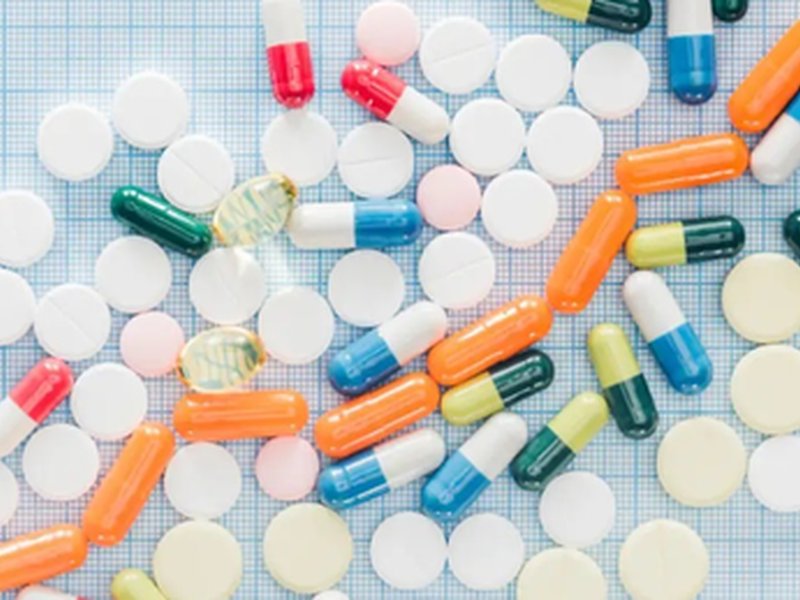
New Delhi, July 22 (IANS) Analysts on Wednesday said that there would be minimal impact on Indian pharma companies supplying medicines to US market, as US President Donald Trump has announced plans to impose tariffs on generic drugs from 2028.
Multiple Indian companies have subsidiaries in the US and there is considerable difference in the pricing at which goods are transferred to US market and then subsequently sold in US market. The tariff is presumably at pricing at which it enters US market.
Secondly, 90 per cent of generic prescription is imported by US, effectively increasing the tariff for everyone (as and when it happens) supplying to US market and it is not India specific, said Tushar Manudhane, SVP, Institutional Research Analyst–Healthcare, Motilal Oswal Financial services Ltd
“Also, the concept of outsourcing to countries like India is based on 40-60 per cent lower cost of manufacturing in India compared to that in US. Tariff implementation would still fall short and would not lower this advantage of low cost manufacturing from India,” Manudhane explained.
Even if the manufacturing plant is set up (which itself takes two years at least), it would be required to undergo plant inspection and subsequent product approval cycle of at least 12-15 months, further prolonging any competition to kick in.
“Above factors questions the economic viability of setting up a manufacturing plant in US for generics. This effectively would mean minimal impact on the Indian pharma companies supplying medicines to US market,” the analyst noted.
India is often called the "pharmacy of the world" as it supplies generic medicines to countries across the globe.
In the US, Indian generic medicines make up nearly 40 per cent by volume.
In financial year 2024-2025, India exported $9.7 billion worth of pharmaceuticals to the US, accounting for 38 per cent of its total global pharma exports of $25.8 billion, according to data from Global Trade Research Initiative.
Trump has announced that imported generic medicines will remain free of tariffs for two years from August 1, 2026, before facing duties of 100 per cent and later 200 per cent as part of his push to shift pharmaceutical production to the United States.
The announcement gives overseas generic drug manufacturers a two-year window to establish production facilities in the US or face steep tariffs on medicines shipped to the American market.
Trump said the phased tariff structure was intended to encourage drugmakers to invest in American manufacturing facilities.
—IANS
na/