
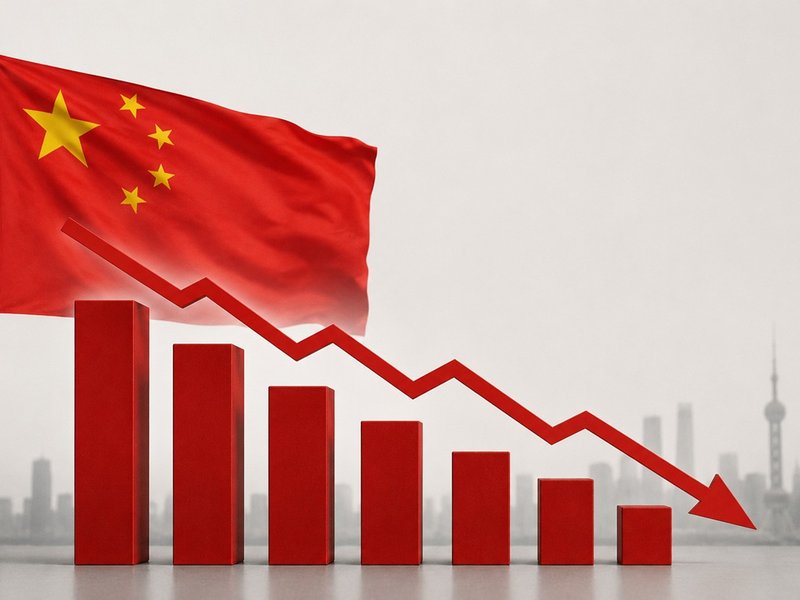
New Delhi, May 16 (IANS) The ongoing US-Iran tensions are imposing rising economic costs on China, exposing Beijing to mounting risks across energy supplies, trade flows and regional investments amid the escalating Gulf crisis, a report has said.
The report by Iran International showed that China has expressed growing concern over disruptions to the Strait of Hormuz, a critical energy corridor through which nearly 45 per cent of its oil imports flow, even as it continues to maintain diplomatic support for Iran at the United Nations.
The ongoing instability has driven sharp volatility in global oil markets, with Brent crude trading above $100 per barrel at various points during the crisis, pushing up import costs and inflationary pressures in China’s domestic economy, it said.
Moreover, China cut oil imports by around 20 per cent in April and raised domestic fuel prices, as elevated global crude prices fed through to producer and consumer inflation.
The report highlighted that China’s producer prices surged to a 45-month high in April, while consumer inflation also accelerated, reflecting broader cost pressures from energy and supply chain disruptions linked to the Gulf conflict.
Meanwhile, trade flows have also been hit.
Chinese exports to Persian Gulf countries plunged sharply, falling to about $5.7 billion in March from $13.2 billion in the previous month, a decline of nearly 57 per cent, the report said.
It further outlined that beyond trade and energy, China’s wider regional exposure is also under strain.
In addition, Chinese firms have invested tens of billions of dollars in Middle East projects, but escalating conflict and attacks in the region have increased uncertainty over project execution and returns.
China -- which remains Iran’s largest non-oil trading partner and a major buyer of Iranian crude -- has also reportedly reduced imports of Iranian oil in recent months, even as it continues to oppose Western-backed UN measures against Tehran.
The report noted that Beijing now faces a difficult balancing act, managing its strategic partnership with Iran while absorbing the economic fallout of prolonged instability in a region central to its energy security and trade ambitions.
--IANS
ag/