
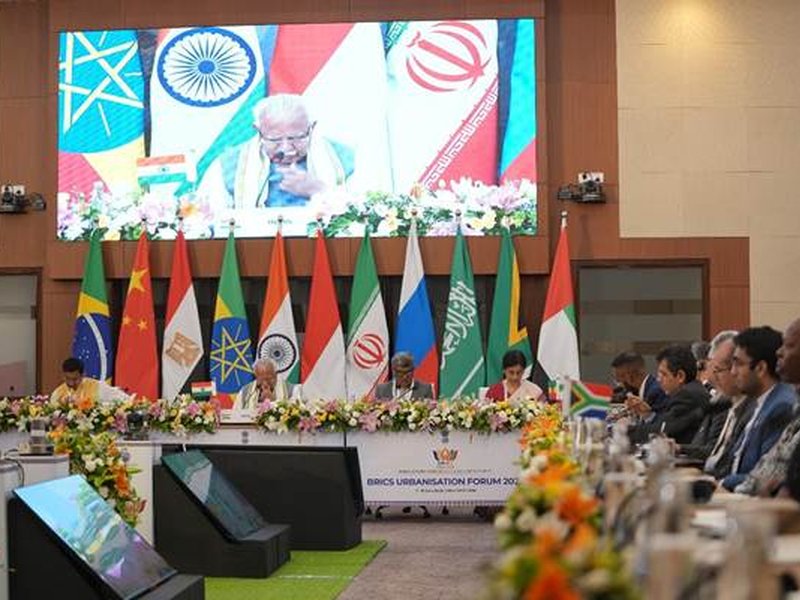
New Delhi, June 12 (IANS) The 13th BRICS Urbanisation Forum concluded on Friday at Sushma Swaraj Bhavan here with the adoption of the ministerial declaration on inclusive, resilient and people-centred urban development.
The declaration highlights key priorities shared by member nations and emphasises the importance of creating inclusive, sustainable, resilient and liveable cities that ensure equitable access to urban services, particularly for marginalised groups, according to an official statement.
The outcomes of the two-day forum are expected to contribute to a shared roadmap for BRICS nations to build cities that are inclusive, resilient, sustainable and well governed.
To take forward the learning of the BRICS Urbanisation Forum, and for continued cooperation, the member nations welcomed India's proposal for the establishment of the 'BRICS Urban Research and Knowledge Network', for applied urban research, knowledge sharing, and peer-to-peer learning.
Hosted by the Ministry of Housing and Urban Affairs under India's BRICS Chairship in 2026, the two-day forum brought together Ministers, senior government officials and urban practitioners from BRICS member nations to deliberate on the theme, 'Cities for People: BRICS Cooperation for Inclusive and Resilient Urban Futures'.
The Forum was formally inaugurated by Manohar Lal, Union Minister of Housing and Urban Affairs.
In his inaugural address, the Union Minister said that the forum was an opportunity to bring the urban agenda more firmly into the global development discourse, and highlighted inclusive urban development, climate- and disaster-resilient infrastructure, strengthened institutions and digital innovation as key anchors of India's urban development approach.
Union Minister Manohar Lal also released 'India's Urban Transformation: Stories of Change', a publication presenting select urban practices from India's states and Union Territories across the four priority areas of the forum.
The inaugural session was followed by a high-level plenary chaired by the Minister, where participating countries shared national experiences, priorities and aspirations for the urban future through their country statements.
Delegations also undertook a curated field visit to select urban interventions in and around New Delhi, including the New Parliament Complex and the India Gate–Kartavya Path precinct, before the day concluded with a cultural programme.
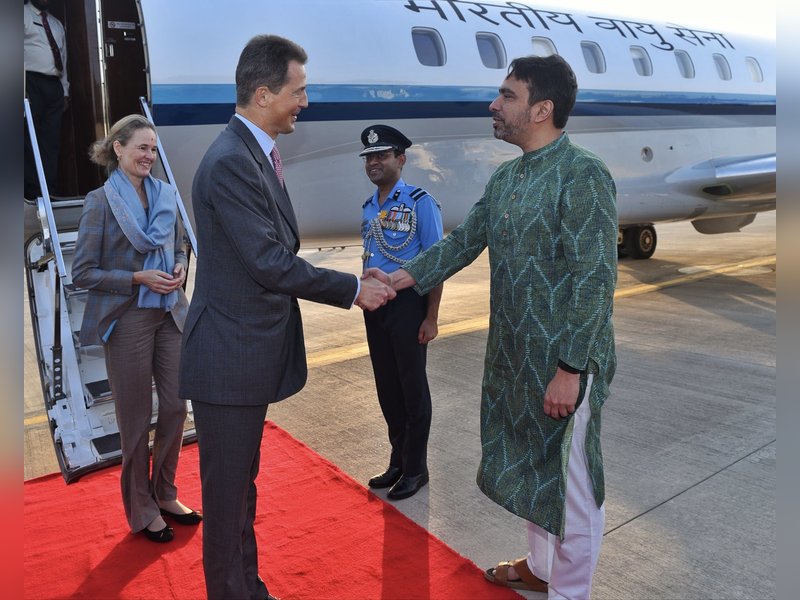
On the sidelines, bilateral meetings were held, including between India and Russia, India and Iran, Iran and Russia, Iran and China, and Russia and the United Arab Emirates.
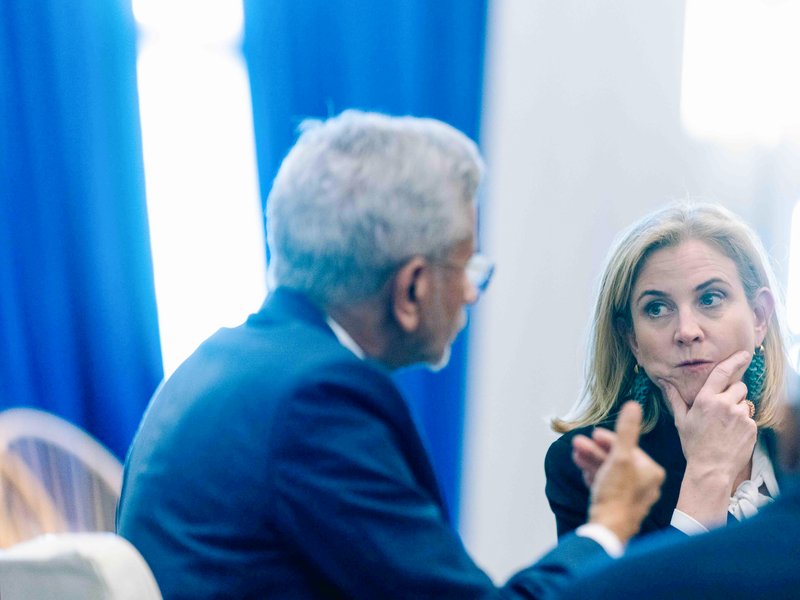
The second day of the forum featured two high-level panel discussions on inclusive and resilient urban development, strengthening urban institutions, and scaling innovations for people-centred cities.
The first panel discussion, 'Building Inclusive Pathways for Resilient and Equitable Cities', was moderated by Roopa Mishra, Ministry of Housing and Urban Affairs' International Cooperation Joint Secretary.
Representatives of BRICS member nations discussed approaches to ensuring that urban growth improves access to housing, mobility, basic services, livelihoods and public spaces, particularly for vulnerable and underserved communities.
The second panel discussion, 'Strengthening Institutions and Scaling Innovations for People-centred Cities', was moderated by Shalabh Goel, National Capital Region Transport Corporation Managing Director.
Representatives of BRICS member nations exchanged experiences on strengthening urban institutions, building municipal capacity, improving coordination across levels of government, and using technology and data to enhance service delivery.
The session also considered how successful local innovations could be adapted and scaled across different urban contexts.
The forum also presented a compilation of good practices from BRICS nations, titled 'Cities for People: Urban Stories from BRICS Nations'.
--IANS
sps/khz