
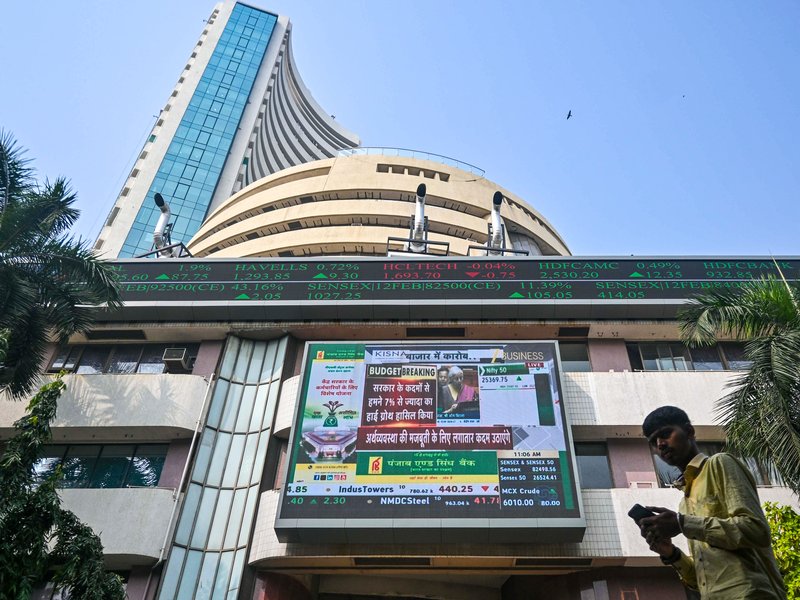
Mumbai, July 26 (IANS) The weakening of the global chip trade is a positive news for India as foreign portfolio investor (FPI) equity investment through July 24 stood at Rs 14,945 crore, of which Rs 3,167 crore was through exchanges and Rs 11,778 crore through the primary market.
Debt inflows continue to be robust. This is partly in response to the debt taxation reforms announced by the government. This month, so far, FPIs continued to be big sellers in markets like South Korea and Taiwan, said analysts.
“This weakening of the chip trade is positive for India. However, the spike in Brent crude following the escalation of the conflict in West Asia is becoming a concern since it will again impact India’s macros if the price spike lasts longer,” said Dr VK Vijayakumar, Chief Investment Strategist, Geojit Investments Ltd.
If crude price declines and stabilises FPIs are likely to turn consistent buyers in India. Therefore, crude price is the data to watch, he mentioned.
Markets witnessed a weak and volatile week, with benchmark indices extending their losing streak as a sharp surge in crude oil prices and renewed geopolitical tensions weighed heavily on investor sentiment.
Although domestic macroeconomic indicators remained broadly resilient and the earnings season continued to offer stock-specific opportunities, elevated energy prices and global uncertainties overshadowed these positives.
Consequently, the Sensex declined 2.68 per cent to close at 76,059.77, while the Nifty fell 2.33 per cent to settle at 23,767.45.
Persistent foreign institutional investor (FII) selling further weighed on domestic equities, particularly financial stocks, as investors adopted a cautious stance amid rising bond yields and heightened geopolitical risks, said Ajit Mishra, SVP, Research, Religare Broking Ltd.
On the domestic front, macroeconomic data remained relatively encouraging. India's foreign exchange reserves increased by $964 million to $675.16 billion, providing comfort on the external sector.
Next week will be driven by a combination of major global policy events, domestic macroeconomic releases, and the ongoing earnings season, said analysts.
—IANS
na/