
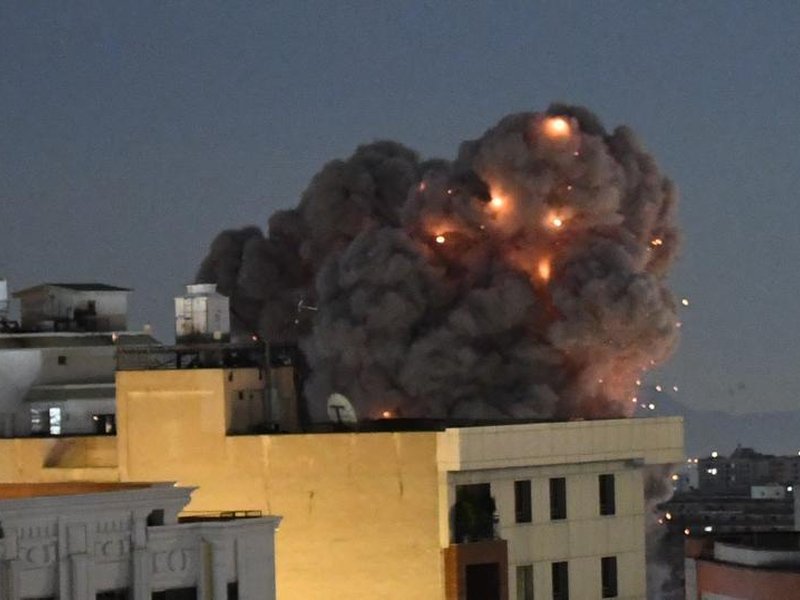
Washington, April 15 (IANS) War in the Middle East is threatening to slow global growth and push up prices, IMF officials warned, as supply disruptions spread across energy markets and trade flows.
The International Monetary Fund said the conflict has created “exceptional uncertainty” in the global outlook, forcing a reassessment of forecasts. Deputy Managing Director Bo Li said all scenarios now point to “higher price and lower growth and slower growth.”
The impact is already visible across the Middle East and neighbouring regions. “For those countries most directly affected, their output will remain below their pre-war trends for the near term and also for the medium term,” Li said, adding that the effects are “very uneven, very asymmetrical.”
Oil exporters are facing disruptions to production and exports. Import-dependent economies are dealing with rising energy and food prices. That is eroding purchasing power and putting pressure on public finances. Low-income and fragile states are the most exposed due to reliance on imported fuel and fertiliser.
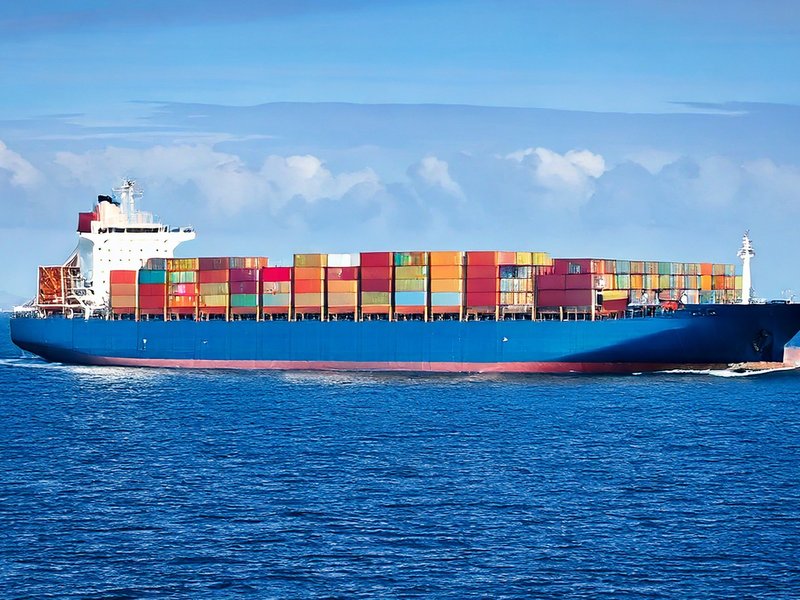
Pakistan’s Finance Minister Mohammad Aurangzeb said the immediate challenge is securing energy supplies. Shipping times have lengthened sharply, raising costs. “Even if the molecule is available… logistics have to be kept in mind,” he said.
He said the government initially shielded consumers from price increases. But it has since moved to “full transmission with targeted subsidies” as fiscal pressures increased. Support is now focused on transport, small farmers and vulnerable groups. Fertiliser stocks have helped limit food risks for now, he added.
Markets are reflecting a supply-driven shock rather than financial panic. Mike Pyle of BlackRock said both equities and bonds have weakened at the same time. That points to a structural disruption rather than a traditional risk-off cycle.
BlackRock estimates the conflict could cut global growth by 20 to 30 basis points. Europe is expected to take a larger hit. Asia will see uneven effects. The United States is likely to be relatively insulated due to domestic energy dynamics, he said.
Energy markets are under strain. Tim Gould of the International Energy Agency said oil supply losses now total about 13 million barrels a day. That is more than double the scale of the 1970s oil shocks. “Even in percentage terms, this is a larger shock,” he said.
Gas supplies are also disrupted. Key liquefied natural gas exports are affected. The impact is expected to intensify in the coming weeks as earlier shipments run out and supply tightens further.
The crisis is likely to accelerate policy shifts. Countries are expected to diversify energy sources and expand reserves. Investment in renewables and nuclear power may increase. “There will be efforts to diversify… and also efforts to expand strategic reserves,” Li said.
The global economy had shown resilience last year, with growth stronger than expected. But the IMF has warned that geopolitical shocks, especially in energy and supply chains, remain a major risk to the outlook.
--IANS
lkj/rs