
Geneva, Aug 14 (IANS) The United Nations experts warned that institutionalised gender-based repression has further deepened under Taliban rule in Afghanistan, amid mounting restrictions on the Afghan population, particularly women and girls.
The statement came as Afghanistan approaches nearly five years since the Taliban took power.
“Five years may be a short period in the life of a country, but it is a long one in a child’s life. A generation of girls has now been denied secondary education. A girl who was in grade six when the ban began is reaching adulthood without another day in school,” the experts said.
They quoted an Afghan girl as saying, “It has been five years since I was deprived of my education. It is deeply depressing to feel that you cannot move forward but are stuck where you were five years ago.”
The experts reiterated that the Taliban's “intentional and targeted gender-based deprivation” of fundamental rights amounts to the “crime against humanity of persecution” on gender grounds.
As this repression forms part of an institutionalised system of gender-based discrimination, oppression and domination, the experts said it can also be characterised as "gender apartheid". They called on the global community to actively support the codification of “gender apartheid as a distinct crime against humanity”.
According to the experts, the Taliban have continued to impose repressive measures on the Afghan population, including a decree on the criminal rules of courts that permits violence against women as long as it does not “break bones” or “leave obvious bruises”. They noted that another decree governing the separation of spouses implicitly permits child marriage and makes it extremely difficult for women and girls to escape abusive or forced marriages, while these decrees also discriminate against religious minorities.
Expressing grave concern, the experts said that enforcement measures, some involving cruel and inhuman punishment, have also intensified in Afghanistan. In 2025 alone, they said, more people were publicly flogged than in all the previous years of Taliban rule combined.
“Women have been turned away from hospitals on account of their attire or for lacking a male guardian, denying them their right to access health care. In June 2026, at least 30 women and girls were jailed in Herat for allegedly violating the Taliban’s dress code. When residents protested, security forces opened fire, killing at least two people, including a boy,” the experts highlighted.
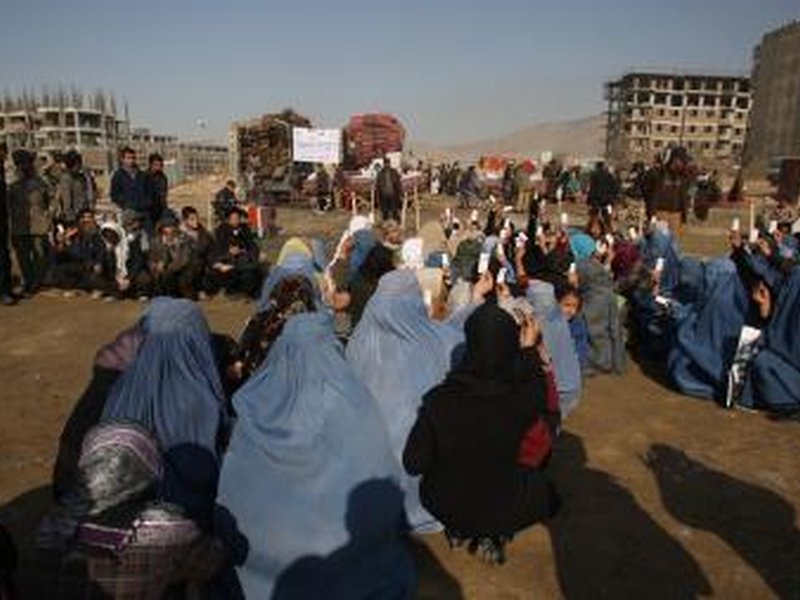
The experts also decried the deepening humanitarian crisis, which remains among the world’s most severe and neglected, fuelled by the loss of humanitarian funding, a faltering economy, drought and mass returns of Afghan refugees from neighbouring countries including Pakistan and Iran.
They noted that more than 17 million Afghans — over a third of the population — faced acute food insecurity during the past winter, with nearly 4 million children acutely malnourished. The experts called on the global community to restore humanitarian funding and ensure that Afghan women — disproportionately harmed and largely barred from public life — can both deliver and receive assistance.
"Afghanistan is not a safe country: mass returns and forced deportations in violation of the obligation of non-refoulement must stop, particularly for those who face heightened protection risks, including religious or ethnic minorities and LGBT persons,” the experts added.
--IANS
scor/rs