

Kathmandu, Aug 29 (IANS) As many as 934 people associated with 11 hydropower projects in Nepal's flood-affected Rasuwa and Nuwakot districts have remained out of contact, an association representing the country's private power producers said.
The Independent Power Producers' Association, Nepal (IPPAN), said 730 people associated with six hydropower projects in Rasuwa and 204 people linked to five projects in Nuwakot have remained out of contact following the devastating floods in the Bhote Koshi River on August 26.
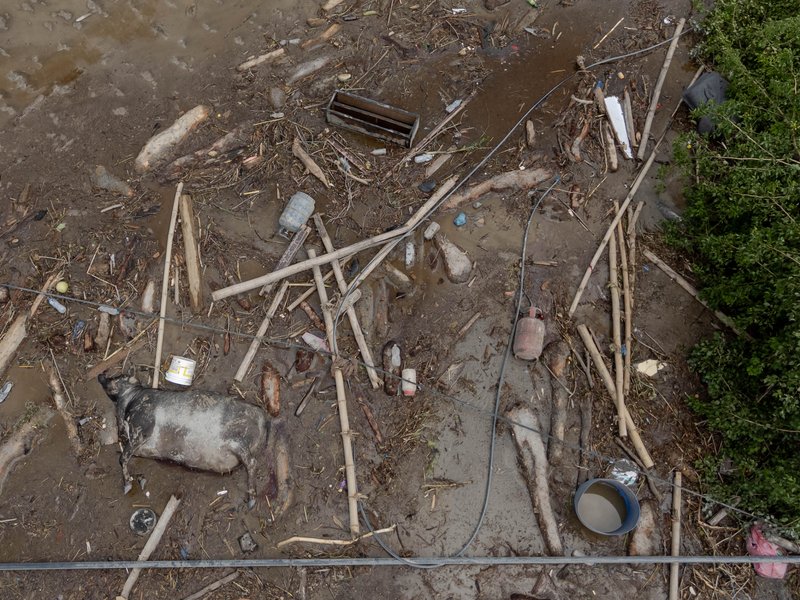
The floods caused extensive damage to hydropower projects and other infrastructure in the two districts.
The 216-MW Upper Trishuli-1 Hydropower Project, which is under construction in Rasuwa, reported the highest number of people out of contact.
According to IPPAN, 576 people associated with the project remain out of contact. The project is being developed by Nepal Water and Energy Development Company (NWEDC), a company backed by South Korean investors, the International Finance Corporation (IFC) of the World Bank Group and local partners.
Another 158 people associated with the 37-MW Upper Trishuli-3B Hydropower Project in Nuwakot remain out of contact, according to IPPAN.
Similarly, the 111-MW Rasuwagadhi Hydropower Project reported that a total of 93 people associated with the project remain out of contact, making it the project with the third-highest number of people reported missing or uncontactable.
The remaining 107 people are associated with eight other hydropower projects, some of which are under construction while others are already operational.
According to IPPAN, the August 26 floods affected 13 hydropower projects in Rasuwa and Nuwakot, with a combined installed capacity of 675.6 MW.
According to the National Disaster Risk Reduction and Management Authority (NDRRMA), a total of 626 bodies recovered from the floods had been collected as of Saturday at 10 a.m. The authority said that as many as 2,426 people remained out of contact.
The floods, triggered by a sudden surge in the Bhote Koshi River, caused widespread loss of life and extensive damage to hydropower projects, roads, bridges and other infrastructure in the affected areas.
--IANS
scor/sd/