
New Delhi, April 16 (IANS) US tech giant Apple announced on Thursday that a record 30 per cent of material across all its shipped products in 2025 came from recycled content.
The company has removed plastic from packaging and now uses 100 per cent recycled cobalt in Apple‑designed batteries, it said in a statement.
The Cupertino-based company also uses 100 per cent recycled rare earth elements in all magnets. It also removed plastic from packaging, with Apple products now shipping in fibre-based packaging that can be easily recycled at home.
Apple’s greenhouse gas emissions in 2025 declined over 60 percent compared to 2015 levels, holding constant from 2024 even in a year of significant business growth. The company also highlighted progress in renewable energy, materials innovation and recycling, water stewardship, and zero waste.
“At Apple, we believe deeply in leaving the world better than we found it, and that commitment runs across everything we do,” said Tim Cook, Apple’s CEO. “These milestones in our work to protect the planet show that ambitious goals can also be powerful engines of innovation,” he added.
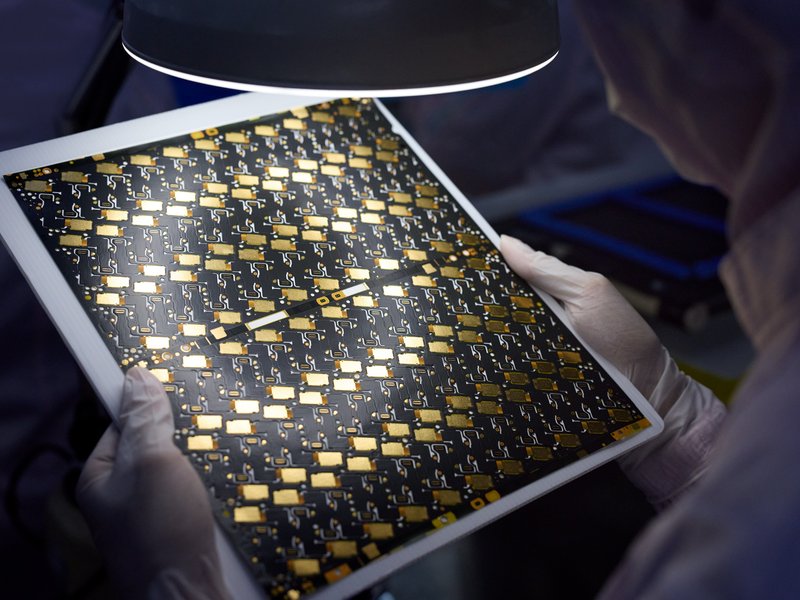
Apple-designed printed circuit boards are made with 100 percent recycled gold plating and tin soldering, it claimed, adding that the company avoided over 15,000 metric tons of plastic over the past five years.
Over the past 10 years, Apple engineers and designers have developed alternatives to common packaging components, replacing plastic screen protectors and trays with versions made with recycled or responsibly sourced paper, the release said.
The company increased iPhone production in India by about 53 per cent in 2025, assembling around 55 million units compared with 36 million a year earlier, sources said.
A report from Bloomberg cited people familiar with the matter said the US company makes a quarter of its flagship products in India to avoid tariffs on China.
Apple produces about 220–230 million iPhones annually worldwide, with India’s share rising rapidly, primarily due to government supported production‑linked incentives. The subsidies have helped offset structural cost disadvantages such as weaker supply chains and logistics challenges compared with China.
--IANS
aar/na