New Delhi, Jan 12 (IANS) Pakistan is facing an exodus of global companies across sectors due to the unfriendly business climate exacerbated by military dominance in commerce, a media report said.
This development is leading to a decline in foreign direct investment and job creation in a country that is already struggling with an economic crisis, according to an article in the Asian News Post.
The major multinational corporations that have exited Pakistan in recent years include fast-moving consumer goods major Procter & Gamble, energy giant Shell, which sold its operations to Saudi Arabia’s Wafi Energy and TotalEnergies, which divested a 50 per cent stake.
Microsoft, Pfizer, Yamaha, Uber, Careem, Siemens, Bayer, and Eli Lilly also withdrew from the country, citing unsustainable operations.
Pharmaceutical and tech firms faced particular hurdles, with over 21 companies leaving in under three years.
Energy and automotive sectors saw similar retreats, as firms like Yamaha stopped production amid import restrictions.
Foreign direct investment plummeted to a 10-year low of $1.2 billion in FY2023, reflecting lost capital, jobs, and technology transfer, the article stated.
Currency devaluation - which erodes profit margins, high inflation, and power shortages that disrupt operations, and weak consumer demand that shrinks markets are economic factors behind the flight of foreign capital.
Political volatility and rising militancy in the country add layers of risk, creating unpredictability that global firms avoid. Regulatory delays, bureaucratic red tape, and inconsistent policies hinder planning, with high taxes and bribes compounding costs. These factors have turned Pakistan from an emerging market into a high-risk zone, the article observes.
"Pakistan’s military runs a vast parallel economy known as 'Milbus', spanning real estate, cement, fertilisers and banking, valued at tens of billions annually. Entities like Fauji Foundation dominate sectors with tax exemptions, regulatory immunity, and preferential state contracts, crowding out civilian competitors. This empire thrives amid national ruin, diverting resources and distorting markets. Military firms block merit-based competition, undermining entrepreneurship and scaring foreign investors wary of unfair playing fields. The Strategic Investment Facilitation Council (SIFC), military-led, prioritises army-linked ventures, deepening perceptions of opacity and control," the article pointed out.
It highlighted that military dominance extends to projects like CPEC, benefiting elites over locals and increasing debt reliance. Civilian budgets suffer cuts to fund defence, fueling inflation and poverty that further deter investment.
Foreign firms operate under the shadow of uncertainty, unsure of policy enforcement amid military influence over governance. This overcontrol fosters a non-transparent environment, where bribes and favouritism prevail over the rule of law. Investors prefer stable hubs like the UAE or Singapore, avoiding Pakistan’s militarised commerce.
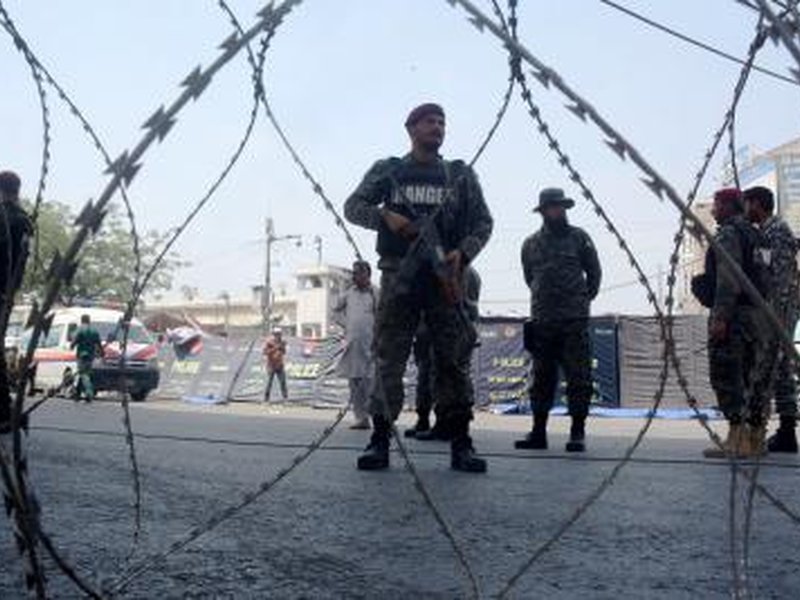
Cumbersome regulations and policy U-turns create a hostile landscape for business. Frequent tax changes, import curbs, and approval delays make long-term planning impossible. Security concerns, including terrorism and lawlessness, heighten operational risks, the article added.
--IANS
sps/vd