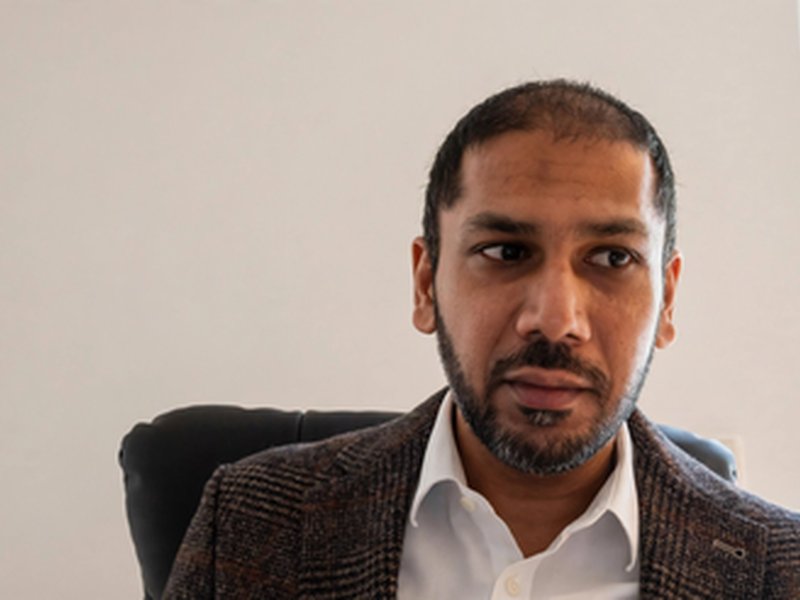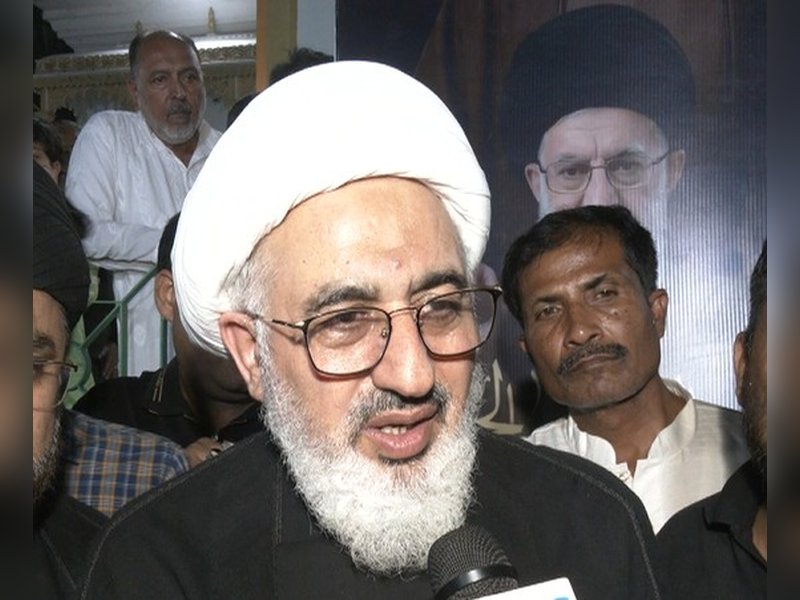
Patna, April 6 (IANS) Abdulmajid Hakim Elahi, Representative of Iran's Supreme Leader to India, has said that the Strait of Hormuz has historically remained under Iranian control for thousands of years and that disruptions began only after the recent conflict involving the United States and Israel, which he described as a personal war driven by President Donald Trump against Iran.
The US and Israel carried out joint strikes on February 28, resulting in the death of Ayatollah Ali Khamenei. In response, Iran launched retaliatory strikes targeting Israel, as well as US bases in neighbouring Gulf countries, leading to a broader regional escalation that has led to the Strait of Hormuz crisis and disrupted significant oil and energy supplies.
Speaking to IANS, Abdulmajid Hakim Elahi said, "This war is President Trump against Iran. Everyone knows that, because this war is not in the interest of Americans. This was his personal war, and now Americans are handling it. And they want out, but they don't know how they can get out of it."
On the question of reopening the Strait of Hormuz, he emphasised Iran's longstanding control over the strategic waterway and blamed the ongoing crisis on the conflict.
"The Strait of Hormuz has been there for thousands of years; it's under control and dominated by Iran. Iran will continue to do the same now. There wasn't any crisis or problem before this war. But now they (the US and Israel) have created this war, and they have created a lot of crises and problems through the Strait of Hormuz. We hope that it will finish very soon," he said.
Elahi also underlined the historical ties between Iran and India, describing the relationship as deeply rooted and longstanding.
"We have a very tight relationship and friendship with India, which dates back over 5000 years," he said.
Recalling the global response following Khamenei's death, he said the Iranian leader was respected across communities and faiths.
"Ayatollah Ali Khamenei was a spiritual leader not only for Muslims but also a religious figure and a voice for the voiceless. He is not just for Shia people but also those from other communities, including many Hindus and Christians, who also respected and admired him. When the news of his martyrdom spread, everyone came out in respect and paid their respects and shed their tears, mourning his death," he added.
--IANS
sd/