

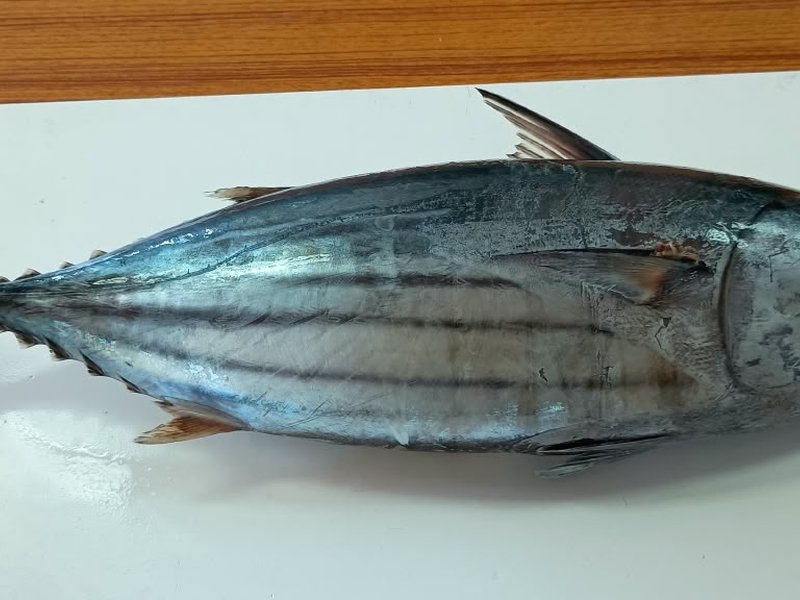
Kochi, Sep 22 (IANS) Tuna caught along the Indian coast is safe to eat, the ICAR-Central Marine Fisheries Research Institute (CMFRI) said on Tuesday.
The clarification comes after reports of parasites found in skipjack tuna caught in the Atlantic Ocean off Brazil raised concerns about the safety of tuna and other fish.
The CMFRI said the findings from one geographical region should not be linked to tuna caught in Indian waters.
"Consumers need not avoid tuna or other commercially available fish merely because parasites have been reported in fish from a specific geographical region," CMFRI Director Dr Grinson George said.
Scientists at CMFRI regularly examine different fish species for abnormalities and parasites.
Skipjack tuna is also examined as part of fish biology studies.
The fish examined by CMFRI have not shown external signs of harmful parasitic infestation, George said.
He said the presence of parasites can vary from one region to another as it depends on several ecological factors.
The availability of intermediate or secondary hosts, including copepods, can also influence parasite levels.
Parasites are also used by scientists to identify and differentiate fish stocks and populations in different regions.
The CMFRI said the findings in tuna from Brazil therefore cannot be used to assess the safety of tuna caught along the Indian coast.
The institute, however, advised consumers to follow proper food safety practices while handling fish.
Quick removal of the intestines and other internal organs is important during processing.
The fish should then be cleaned properly before cooking.
Thorough cooking is another important safety measure.
Proper cooking at high temperatures kills parasites and greatly reduces any related food safety risk.
The issue is more relevant in countries where raw or lightly cooked seafood is commonly consumed.
The risk can be higher in such cases if the prevalence of parasites in locally caught fish is high. In India, seafood is normally cooked at high temperatures.
This provides an additional safety measure, the CMFRI said.
George said consumers should focus on proper handling, cleaning and cooking of seafood rather than avoiding tuna because of reports from a particular region.
Tuna is widely consumed in India and is an important source of protein and other nutrients.
The CMFRI reiterated that there was no need for consumers to stop eating tuna caught from Indian waters based on the parasite reports from Brazil.
--IANS
sg/vd