
Quetta, May 18 (IANS) Section 144 has been imposed in Pakistan's Balochistan province, which the authorities have said is a precautionary measure against potential terrorist threats, local media reported on Monday.
The notification issued by the Home Department stated that the restrictions which have come into immediate effect and will remain in force for 30 days, include a ban on the display of weapons, double riding on motorcycles and gatherings of five or more individuals, Pakistan's daily, The Express Tribune, reported.
According to the notification, a ban has been imposed on covering faces with masks, mufflers, or any other material in public places to ensure unhindered identification. All divisional commissioners, deputy commissioners, police officials and relevant authorities have been ordered to ensure strict implementation of the orders.
Pillion riding on motorcycles and gathering of over four persons have been prohibited, according to media Assistant to the Home Department Babar Yousafzai, The Express Tribune reported.
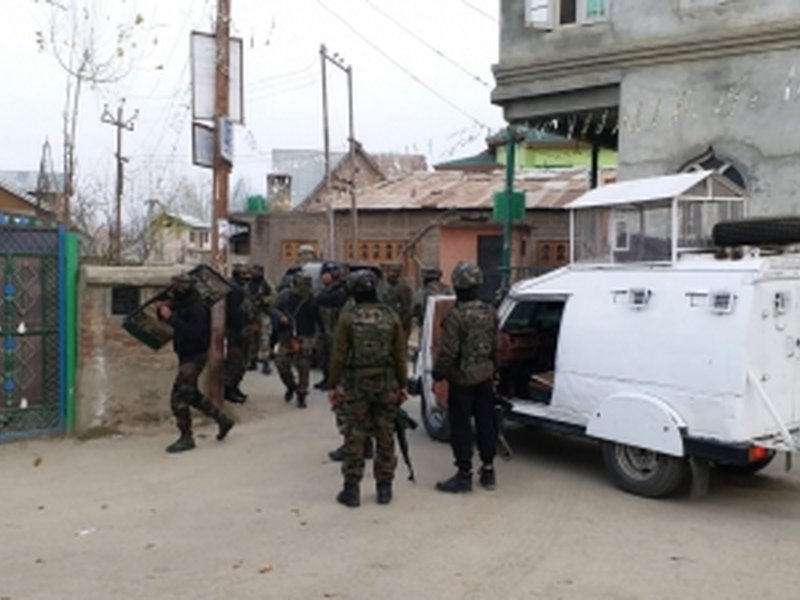
Security forces have been placed on high alert to counter any possible attack by Fitna al-Khawarij and Fitna al-Hindustan.
On May 16, the Human Rights Commission of Pakistan (HRCP) expressed concern over the sharp deterioration in security in Balochistan and Khyber Pakhtunkhwa, where residents were increasingly caught between enforced disappearances, targetted killings and militant attacks.
It stated that the alleged kidnapping of the vice-chancellor, pro-vice chancellor and two other Gwadar University employees in Mastung, while travelling from Gwadar to Quetta, sparks questions about the state's ability to secure major highways and protect residents.
In a statement posted on X, HRCP stated, "HRCP is deeply alarmed by the sharp deterioration in security across Balochistan and Khyber Pakhtunkhwa, where citizens are increasingly caught between enforced disappearances, targeted killings, and militant attacks."
"In Balochistan, the alleged abduction of the vice-chancellor, pro-vice chancellor, and two other Gwadar University employees in Mastung, while travelling from Gwadar to Quetta, raises serious questions about the state’s ability to secure major highways and protect civilians. HRCP is equally disturbed by the killing of Professor Ghamkhwar Hayat in Noshki earlier today and reminds the government that when teachers and academics are abducted or shot dead, the consequences extend far beyond individual tragedies," it added.
According to the statement shared by HRCP on X, the deadly attacks in Khyber Pakhtunkhwa's Bannu, Bajaur, and Lakki Marwat highlight worsening pattern of militant violence that continues to take lives indiscriminately.
"In Khyber Pakhtunkhwa, deadly attacks in Bannu, Bajaur, and Lakki Marwat, including the bombing of a crowded market in Sarai Naurang, point to a worsening pattern of militant violence that continues to take lives indiscriminately, including those of civilians, police officers and security personnel," HRCP posted on X.
"We urge the state to move beyond statements of condemnation and demonstrate that human life and public spaces can still be protected. The recovery of the missing university officials, credible investigations into all such attacks, and accountability for perpetrators are immediate and necessary first steps," it added.
--IANS
akl/rs