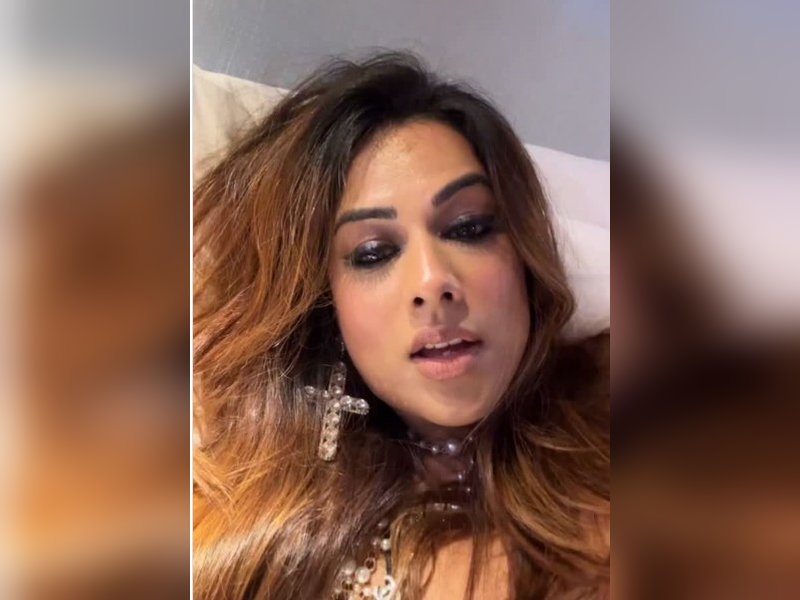

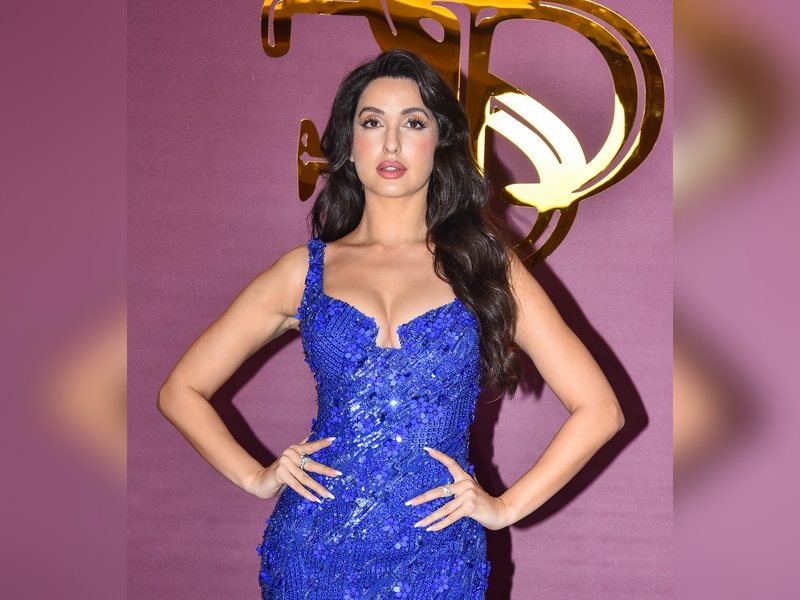
Mumbai, March 18 (IANS) The Union Minister of Information and Broadcasting, Ashwini Vaishnaw, has reacted to the controversy surrounding Nora Fatehi’s song ‘Sarke Chunar Teri Sarke’.
The Union Minister spoke in Lok Sabha on Wednesday, and shared that the freedom of speech should operate within the framework of culture and society.
He also shared that the freedom of speech cannot be absolute, and comes with its set of conditions. Responding to the issue raised by MP Anand Bhadauria of SP in the Lok Sabha, Ashwini Vaishnaw said, “The song that the Member of Parliament mentioned has already been banned. I would like to clearly convey to the entire House through you that regarding freedom of speech. We should follow the reasonable restrictions imposed by the creators of the Constitution of India on freedom of speech. Freedom of speech cannot be absolute. It has to be in the context of the society”.
He further mentioned, “It has to be in the context of the culture. And in that, very carefully, in the coming time, the way things are spreading rapidly today through digital means, in that, for the protection of the society, especially for the protection of children, for the protection of women, for the protection of the deprived groups of the society, the government is ready to take any hard action”.
The controversy around Nora Fatehi centers on the song ‘Sarke Chunar Teri Sarke’ from the film ‘KD: The Devil’. Soon after release, the track drew widespread backlash for allegedly vulgar lyrics and suggestive choreography. Critics, including singer Armaan Malik, called the writing a “new low”, while social media users labeled the content inappropriate.
The issue escalated with legal complaints seeking a ban, citing concerns over its impact on minors and public decency. Amid mounting pressure, the makers reportedly pulled the song from YouTube, reflecting the growing tension between creative freedom and societal standards in mainstream Indian music.
--IANS
aa/