
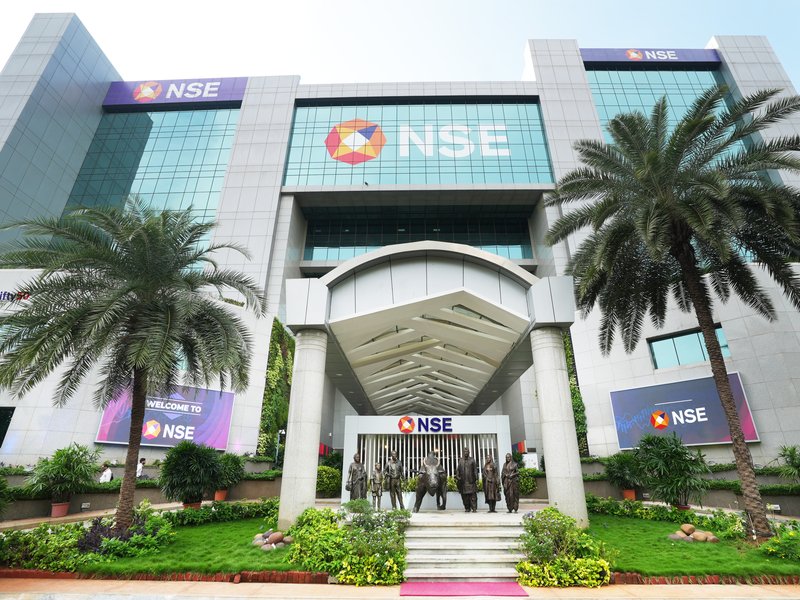
Mumbai, July 29 (IANS) The National Stock Exchange (NSE) has flagged its dependence on trading volumes, particularly in the options segment, as one of the key risks in its Draft Red Herring Prospectus (DRHP) filed with the Securities and Exchange Board of India (SEBI) ahead of its proposed Rs 30,000-crore initial public offering (IPO).
The exchange said any inability to sustain or increase trading activity could adversely affect its market share, revenue, financial performance and future growth prospects.
The proposed IPO, filed with SEBI on June 17, is structured entirely as an Offer for Sale (OFS) and is expected to become the largest public issue in India's capital markets.
The issue comprises the sale of up to 14.89 crore equity shares, representing nearly 6 per cent of NSE's paid-up equity capital.
Since the offering is a pure OFS, the exchange will not receive any proceeds from the issue, with all sale proceeds accruing to the existing shareholders. The price band has not yet been announced.
According to the DRHP, transaction charges contributed more than 78 per cent of the exchange's operational revenue in FY26, FY25 and FY24.
Within this, the options segment accounted for over 60 per cent of operational revenue in FY26.
The exchange cautioned that any sustained decline in trading volumes could materially impact its revenue and business performance.
The exchange also identified risks arising from failures or disruptions in its information technology infrastructure and software systems, including those supplied by external vendors.
It said such incidents could affect business operations, damage its reputation and potentially result in regulatory action or financial penalties from SEBI.
NSE further disclosed that it has faced and continues to face enforcement actions, penalties and judicial proceedings relating to alleged regulatory violations.
The exchange said the outcome of ongoing and any future proceedings remains uncertain and could have a significant impact on its business, reputation, financial condition, cash flows and operating results.
--IANS
pk