New Delhi, July 3 (IANS) US President Donald Trump’s recent disclosure about his earnings after taking over the country’s top post clearly reveals that Pakistan has earned his goodwill by backing his crypto enterprise, but is it durable or even beneficial for the country?
The figures that are now out in the public domain show that the Trump family earned a whopping $1.4 billion through the crypto route, which far exceeds the income from its main real estate business. World Liberty Financial, the Trump family-controlled digital finance company, also signed an agreement with Pakistan’s newly created Pakistan Crypto Council to promote blockchain infrastructure and the USD1 Stablecoin in Pakistan.
This helped Islamabad to get into the good books of the US President but has ultimately ended up embarrassing him.
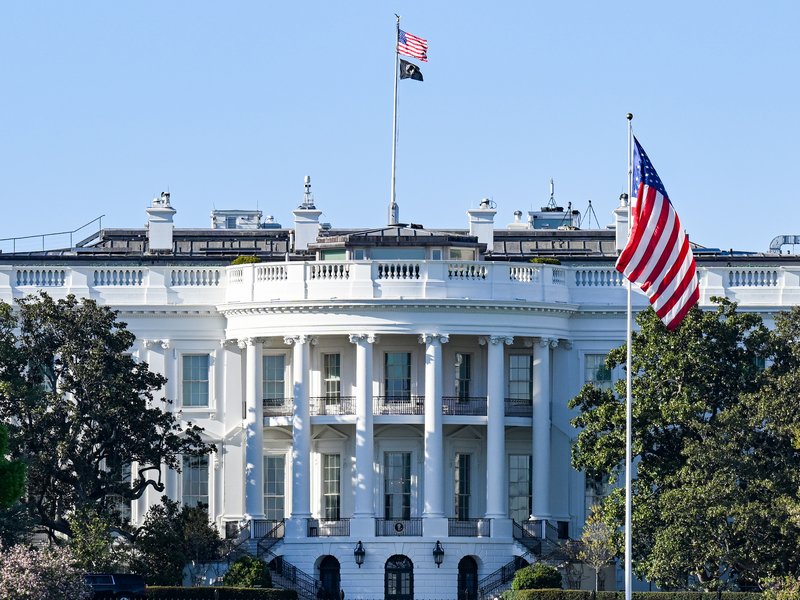
Pakistan followed this up with offers of cooperation in critical minerals. The country’s de facto ruler, Army chief Field Marshal Asim Munir, visited the White House to exhibit rare earth deposits to Trump, wooed American investors and signed trade and mining agreements in tune with Trump’s transactional approach to diplomacy, according to an article in StratNews Global.
Following Operation Sindoor, Islamabad found itself diplomatically cornered. India had demonstrated both military resolve and political confidence. Washington’s traditional balancing act looked increasingly tilted towards New Delhi. Munir and lame-duck Prime Minister Shahbaz Sharif began with business to get Trump on their side, the article stated.
The deal immediately raised conflict-of-interest questions and Congressional investigations in Washington, because the sitting US President stood to benefit financially from policies that could directly aid one of America’s foreign partners.
Islamabad also enthusiastically backed Trump’s claim that he had brokered the India-Pakistan ceasefire after Operation Sindoor, even nominating him for the Nobel Peace Prize. This enabled them to get the extraordinary White House meeting for Field Marshal Asim Munir.
This was the same Trump who had once accused Pakistan of giving America "nothing but lies and deceit" while cutting security assistance. Now Pakistan was suddenly back in favour, the article stated.
Yet there is another side to this story. Pakistan may have won Trump’s attention, but it has not solved Pakistan’s problems. The country’s crypto ambitions rest on remarkably weak foundations. Pakistan continues to struggle with chronic fiscal instability, repeated IMF bailouts, low tax collection, external debt, persistent balance-of-payments pressures and severe electricity shortages, it noted.
Its government has even proposed allocating 2,000 megawatts of electricity for Bitcoin mining despite regularly suffering power deficits that affect ordinary consumers and industry alike.
Cryptocurrency cannot fix any of those structural weaknesses. If anything, it could make them worse. An assessment by the Bengaluru-based Takshashila Institution is sobering. It concludes that serious crypto adoption is likely to be a net negative for Pakistan’s economy while simultaneously increasing risks for India’s national security. Crypto’s volatility makes it unsuitable as a strategic reserve. Wider adoption could weaken Pakistan’s currency, reduce the central bank’s control over monetary policy, encourage capital flight, and shrink already inadequate tax revenues, the article contends.
In contrast, India’s response to the Trump administration has been measured and practical. New Delhi continues to engage not merely with the White House but with Congress, the Pentagon, the State Department and American industry, institutions that provide continuity long after individual presidents leave office, the article added.
--IANS
sps/vd