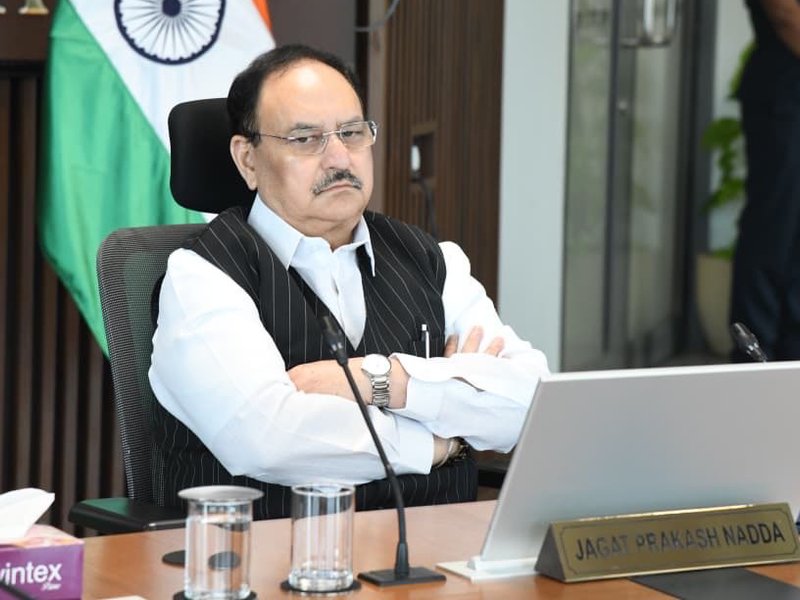
New Delhi, Aug 18 (IANS) Union Health and Family Welfare Minister J.P. Nadda underwent an angioplasty at the All India Institute of Medical Sciences (AIIMS) in the national capital and is currently in stable condition, said the medical officials on Tuesday.
The Union Health Minister is currently under observation at the Cardiology Department at the AIIMS hospital, one of the country’s topmost medical university as well as hospital.
"Shri JP Nadda, Hon'ble Minister of Health and Family Welfare underwent angioplasty on 17th August 2026 and is stable and under observation in the Dept of Cardiology, AIIMS, New Delhi," the AIIMS said in an official statement.
Angioplasty, also known as percutaneous coronary intervention (PCI), is a safe, minimally invasive medical procedure used to open blocked or narrowed heart arteries. It uses a tiny balloon threaded through a thin tube (catheter) to press plaque outward against the artery wall, restoring normal blood flow.
The Health Minister was admitted in AIIMS on the evening of August 13, after he complained of uneasiness. His health was evaluated by doctors and subsequently underwent tests including a coronary angiography the next day, on August 14.
JP Nadda, who has also served as the BJP national president, is currently stable and is currently observation in the cardiology department, AIIMS said. The hospital has not disclosed further details about the angiography findings or shared specific diagnosis.
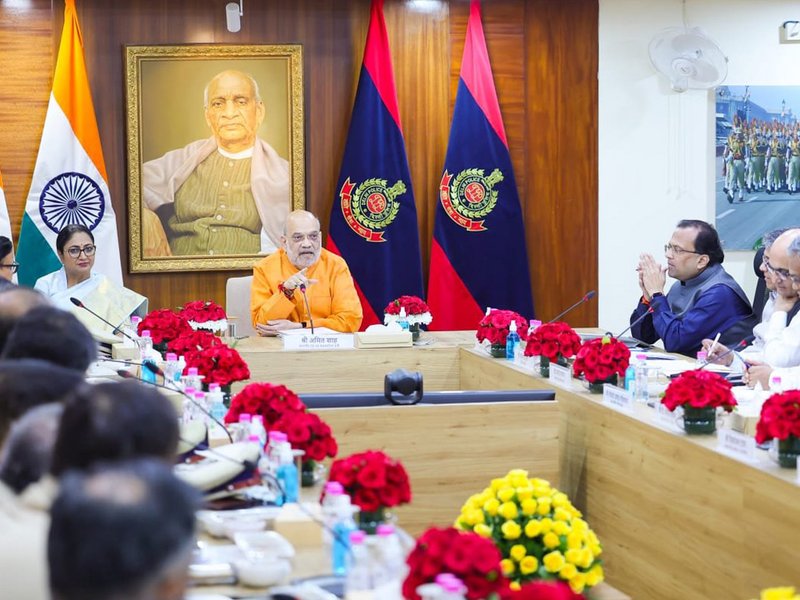
JP Nadda holds the portfolios of Health and Family Welfare as well as Chemicals and Fertilizers in the Narendra Modi government. He has remained active in recent weeks, chairing meetings and reviewing healthcare programmes and infrastructure initiatives across the country.
Coronary angiography is a diagnostic heart test used to examine the blood vessels that supply blood to the heart. During the procedure, doctors inject a special contrast dye into the coronary arteries through a thin catheter, usually inserted through an artery in the wrist or groin. X-ray imaging then allows doctors to see whether the arteries are narrowed or blocked.
--IANS
sd/mr