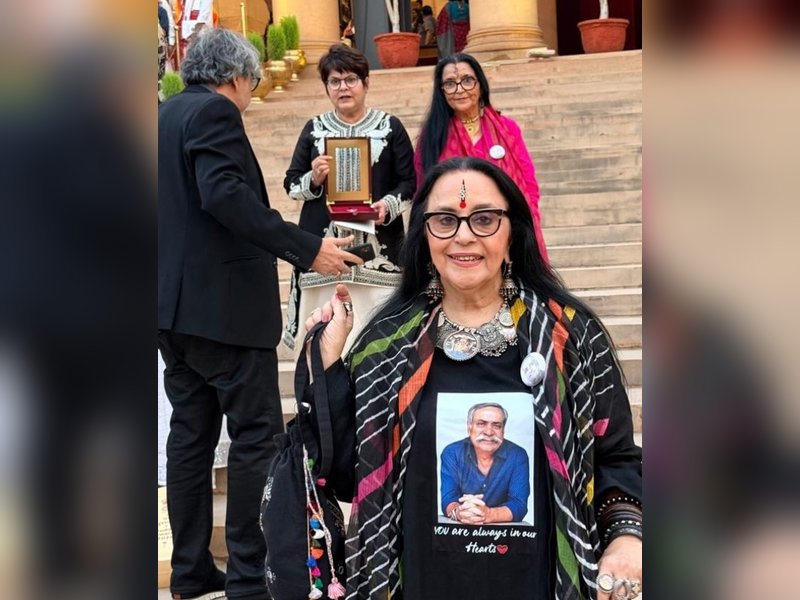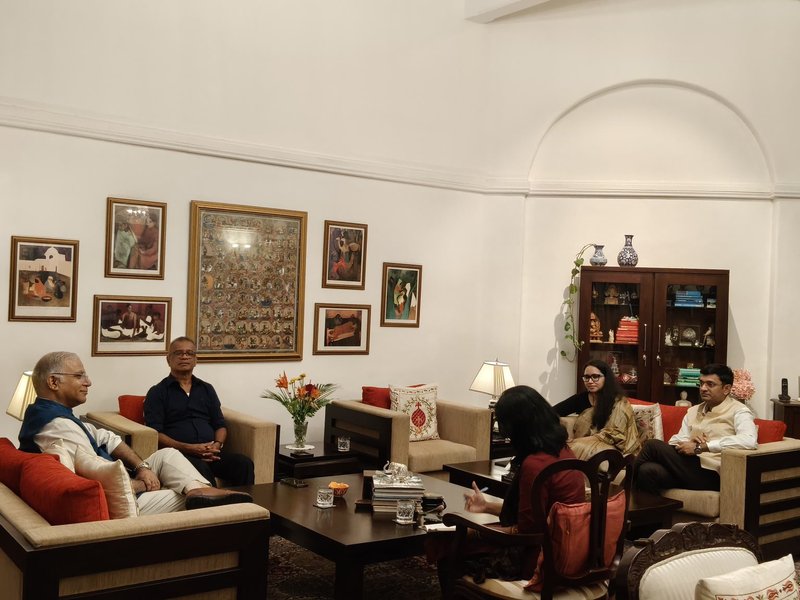

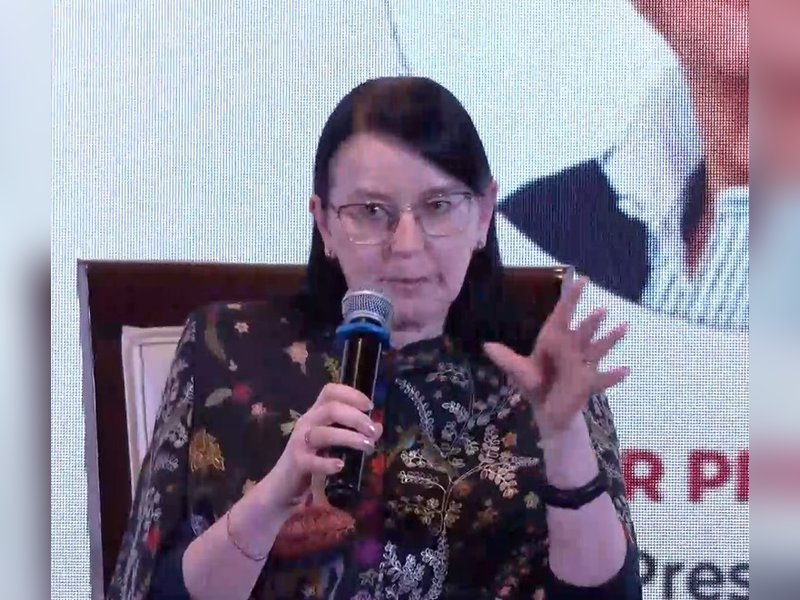
New Delhi, Feb 26 (IANS) Diplomats from around the world shared inspiring stories of resilience and progress in breaking barriers at the "Sashakt Nari, Viksit Bharat" forum held in Delhi on Thursday.
Organised by the Chintan Research Foundation, the event brought together women leaders to discuss women's empowerment and their pivotal role in shaping a developed India by 2047, with a dedicated session titled "Diplomacy Through Her Eyes: Women Leading Globally".
More than 30 women currently serve as ambassadors or high commissioners in India, standing as powerful symbols of gender progress on the international stage. Several shared candid experiences of the challenges they encountered and the determination required to overcome them.
Ambassador of Lithuania to India, Diana Mickeviciene said: "That you know across professions and vocations there are definitely many issues in common and here we are talking about the profession and the area which was almost exclusively male-dominated until quite recently.
"The situation was different then, and it is different now. Back then, we felt inferior," she said.
In the past, women were absent from the field, but today, 60 per cent of Lithuania's diplomats are women -- though fewer than half have reached ambassadorial positions, highlighting lingering gaps in top-level representation. Sri Lankan High Commissioner Mahishini Colonne addressed comparisons between her nation and India, emphasising context.
Sri Lanka, with its 29.9 million population, produced the world's first female prime minister, Sirimavo Bandaranaike, yet she remains the only woman to have served as foreign minister.
"There are many women in the foreign service and Parliament, but when it comes to mission posts, women are less appointed," she observed.
While public confidence exists, administrative priorities often fall short, with no formal reservations in place. Mary M. Mutuku, Deputy Chief of the Kenyan Mission to India, spoke about entrenched cultural norms where men dominate leadership roles, including as CEOs. Women have only recently begun assuming greater responsibilities.
She said: ''I think in African culture, we have the culture where it's men who lead in most things. They're the head of family. When it comes to institutions, most of them are the CEOs.''
She pointed out a painful reality: "Not only men, but women too sometimes don't recognise your strengths and look down on you." Women, she stressed, must work harder and fight more intensely to prove themselves.
Estonia's Ambassador Marje Luup said: ''I would rather say that I don't see the gender coming in so much now. It's absolutely correct, as you said, the Estonian e-renomme is running ahead of us all the time, so whenever I start a conversation with Indian, let's say, people, then very often we are just talking about Estonian e-governance, Estonian digital success stories, not about gender.''
She highlighted positive shifts in perception. In Estonia, strong performance in IT draws admiration from India, where people seek opinions on digital technology rather than focusing on gender.
Still, she acknowledged room for growth; fewer women currently work in the sector, prompting efforts to encourage more young women to enter IT.
The forum underscored a shared global narrative -- while advancements in women's diplomatic leadership are evident, persistent structural and societal hurdles demand continued push for equality and recognition.
These stories from the frontlines of international representation reinforced the event's core message -- empowering women diplomats is essential for inclusive global progress and India's vision of development.
--IANS
sktr/pgh