
Milwaukee, Oct 1 (IANS) The United States has challenged one of the foundational principles of the global trading system, arguing that unconditional Most-Favoured-Nation treatment can prevent countries from responding effectively to unfair and distortive trade practices.
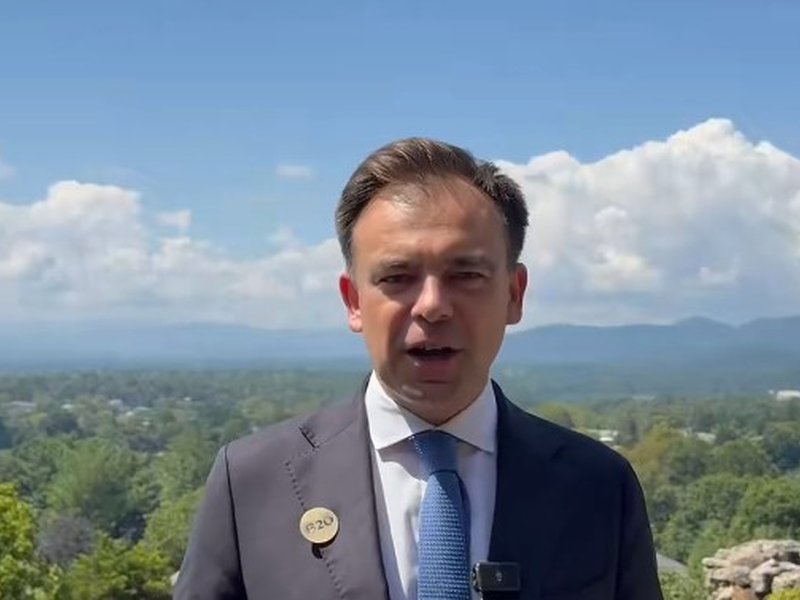
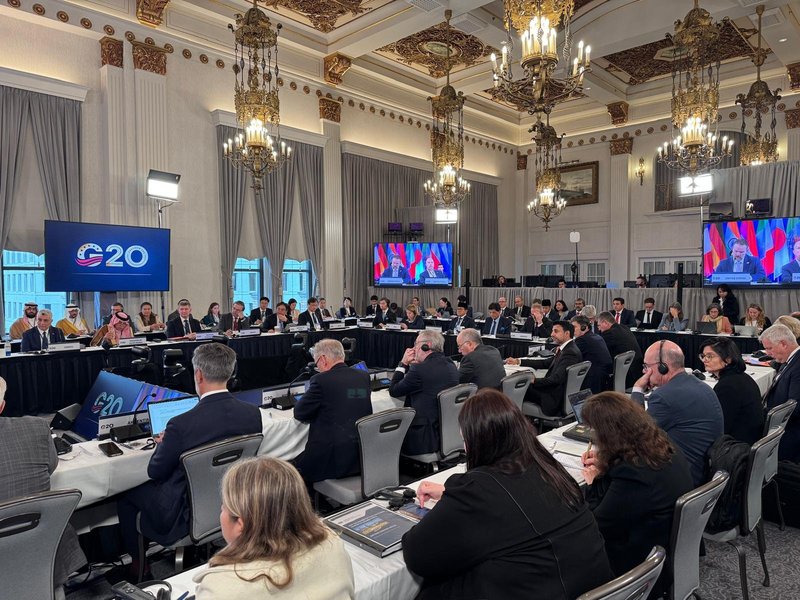
US Trade Representative Jamieson Greer on Wednesday (local time) put reform of the Most-Favoured-Nation, or MFN, principle at the centre of discussions as he opened the G20 Trade Ministerial in Milwaukee.
“Many consider MFN to be the cornerstone of the global trading system. But even a cornerstone should be examined from time to time to ensure it is still supporting the structure we need,” Greer told trade ministers and delegates.
“The MFN principle, particularly when applied unconditionally, constrains economies’ ability to effectively respond to distortive policies and adapt to changing market conditions,” he said.
The remarks represent a direct challenge by Washington to a principle that has long underpinned the multilateral trading system.
Under MFN treatment, trade advantages extended to one trading partner are generally extended to other eligible trading partners. Greer, however, argued that the existing architecture needed another look as governments confront non-market policies and other economic distortions.
MFN is one of four workstreams selected by the United States for its G20 trade presidency. The other three are the weaponisation of food, structural excess capacity and production, and forced labour in global supply chains.
Greer said the problems confronting international trade had persisted despite years of discussion.
“For more than a decade, the global economy has been beset by macroeconomic imbalances, structural excess capacity and production, forced labour, and economic coercion. And yet, the response by the world’s economies has been mostly talk,” he said.
He pointed to the G20's 2016 commitment to address excess industrial capacity.
“It has been ten years—excess industrial capacity is an even greater distortion in the global economy now than it was then,” Greer said.
The US trade chief said Washington had consequently turned to tariffs and bilateral agreements.
“This is why, starting last year, the United States took action, using a combination of tariffs and bilateral deals to reduce our trade deficit, make resilient our supply chains, and bring fairness, reciprocity, and balance to the global economy,” he said.
Greer also pushed back against the argument that questions involving the international trading system should primarily be addressed at the World Trade Organization.
“Typically, and too often, when difficult questions and topics arise in the G20, many around the room suggest that such discussions belong elsewhere. That they should take place in Geneva at the WTO. But Geneva is just another city on a lake. And so is Milwaukee. So, let’s talk candidly and constructively here,” he said.
Greer placed the MFN debate within a broader US push to reconsider institutions and principles created during earlier periods of international economic cooperation.
“We are trying to meet 21st-century challenges with an architecture designed for another era,” he said.
“So what should we do when the original blueprint -- in this case the ideas of 1947 or 1995 -- no longer meet our needs?” he asked.
Greer said reform did not necessarily mean discarding the existing system altogether. “Building for the future does not require us to discard everything we inherited from the past. But neither does it require us to leave old ideas unchanged,” he said.
The MFN debate has particular relevance for major trading economies, including India, as Washington presses G20 members to reconsider how equal tariff treatment operates alongside bilateral and preferential trade arrangements.
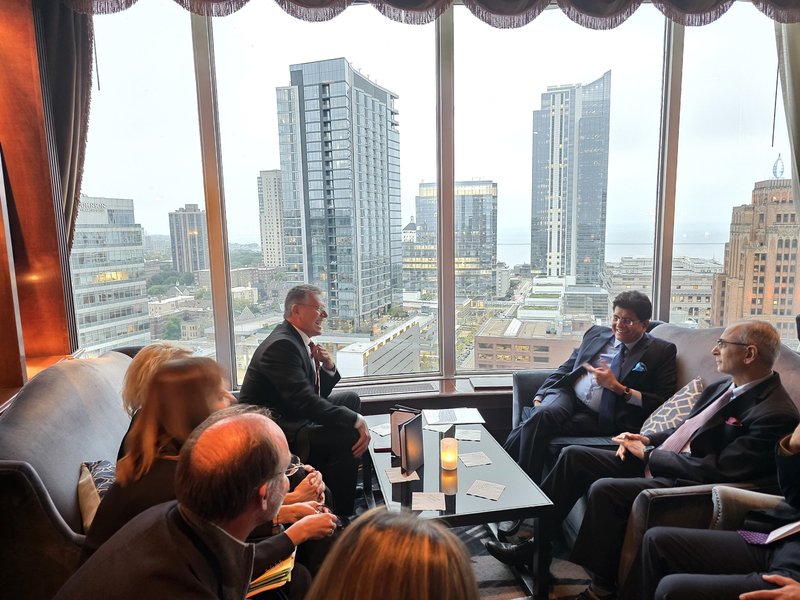
India is participating in the Milwaukee ministerial through Commerce and Industry Minister Piyush Goyal as New Delhi and Washington separately pursue negotiations on a bilateral trade agreement.
--IANS
lkj/sd/