

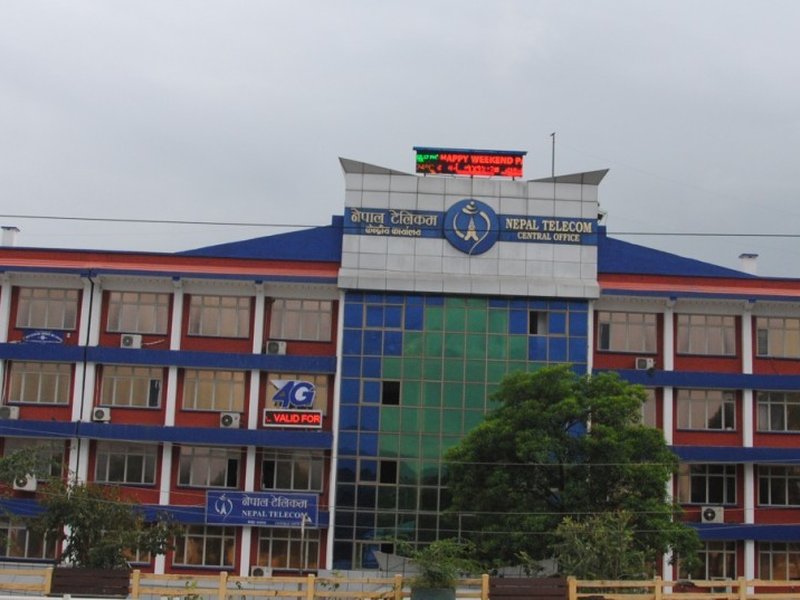
New Delhi, Dec 28 (IANS) Nepal Telecom is in the eye of a storm over the placement of an NPR 5 billion order for a hi-tech billing system with a Chinese company that is seen as lacking in transparency and in violation of competitive bidding norms.
The order, which is among Nepal Telecom’s most expensive technology investments in recent years, has been linked to AsiaInfo Linkage Technologies (China) Inc., also known as AsiaInfo Yunghang Software (Beijing) Ltd, according to a report in Kathmandu-based news portal Hamrakura.com.
Chinese firms already play a major role in Nepal’s telecom infrastructure, often backed by financing, diplomatic engagement, and strategic interests. Huawei’s presence looms particularly large. The company already manages Nepal Telecom’s core network, a critical component of the country’s communications infrastructure. This existing dependence has heightened concerns that new projects are being funnelled toward the same vendor, reducing competition and increasing long-term reliance on a single foreign supplier, the report stated.
The tender has raised more questions than answers because only two Chinese companies entered the fray when Nepal Telecom invited bids on March 18. From the outset, the limited competition raised eyebrows, the report pointed out.
The situation worsened when Huawei alone cleared the technical evaluation, triggering accusations that the tender specifications were tailored to fit one company’s strengths. Whale Cloud, another Chinese firm with experience in telecom software, was disqualified at the technical stage. The absence of detailed, publicly available explanations for this rejection has fuelled suspicions of an uneven process. In public procurement, perception matters as much as procedure, and the lack of transparency has proven damaging, the report further stated.
The possibility of Huawei expanding its footprint from core network management into billing systems has alarmed industry observers. Such concentration of control in the hands of a single foreign vendor raises questions about data security, pricing power, and operational autonomy.
For a state-owned telecom operator, this level of dependence is not merely a technical issue. It intersects with national security, regulatory oversight and financial sustainability. Critics argue that the tender process should have been designed to diversify vendors, not deepen reliance on one, the report observed.
The controversy deepened when the opening of Huawei’s financial bid, scheduled for September 24, 2025, was abruptly postponed. The delay followed closely on the heels of Jagadish Kharel’s appointment as Minister of Communications and Information Technology just two days earlier.
The official justification of "special circumstances" offered little clarity. Instead, it intensified speculation about political interference, internal disagreements, and pressure from competing interests, the report states.
The Nepal Telecom billing deal has become a microcosm of broader governance concerns. Repeated allegations involving Chinese-linked projects suggest systemic weaknesses in oversight mechanisms.
Tender documents that are difficult to scrutinise, evaluation processes shielded from public view and sudden administrative decisions all contribute to an environment where suspicion thrives.
For many observers, the issue is no longer about one billing system. It is about whether Nepal’s institutions are capable of managing large, politically sensitive contracts without succumbing to external influence or internal pressure, the report added.
--IANS
sps/vd