
Jammu, March 16 (IANS) Traditional crafts like wall painting, Khadi-based cotton weaving, and Pashmina weaving – once on the verge of extinction in Jammu and Kashmir are re-emerging today in new forms and new shapes, allowing the local populace to harness their skills to the hilt.
Various Central government schemes and policies deserve mention for promoting traditional industries, thereby giving craftsmen in arts and handicrafts new opportunities.
Artisans and weavers are moving toward self-reliance today by integrating their traditional skills with modern markets.
Wall painting has been an ancient artistic tradition in the Jammu region, visible on the walls of temples, old palaces, and havelis (traditional mansions). These paintings depict religious narratives, local folklore, and scenes from the daily lives of common people. Today, this traditional art form is being revitalised by new artists and researchers. Young artists associated with the fields of Fine Arts and Museology are not only preserving this art but also providing it with a modern platform.
The Khadi and Handloom industry held traditional significance in the Jammu region. The hand-woven cotton is not only eco-friendly but also serves as a primary source of livelihood for local artisans. Through initiatives by the Department of Khadi and Handloom, artisans are gaining access to training, tools, and markets, thereby propelling this traditional industry forward with renewed vigour.
Pashmina weaving is a renowned and historic handicraft tradition in Jammu and Kashmir, one that many families have kept alive for generations. This art form involves crafting items from extremely fine wool and enjoys significant demand internationally.
While preserving this traditional art form, local weavers are today becoming entrepreneurs in their own right, taking their products to wider markets.
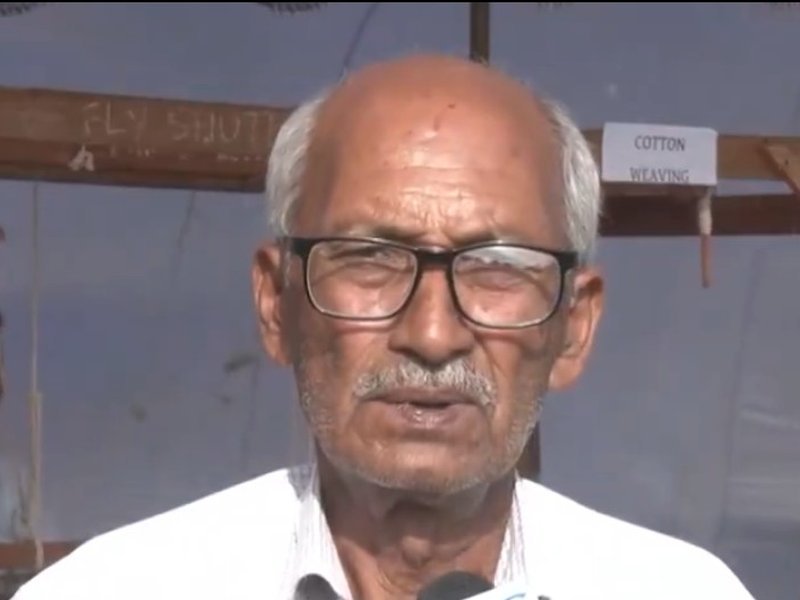
Artisans working in traditional sectors such as art, Khadi, and Pashmina state that government incentives and schemes have enabled them to further their work.
This has not only helped them preserve traditional arts and crafts but has also generated new avenues for employment and self-employment for the local population.
--IANS
mr/dan