

Mumbai, Dec 28 (IANS) As India steps into 2026, the equity market finds itself at an important turning point. After a phase largely driven by strong domestic liquidity, the focus is now shifting toward earnings delivery, policy stability and the broader health of the economy.
Market experts believe this transition could define how Indian equities perform in the year ahead.
The year 2025 delivered mixed results for investors. The Nifty touched a record high of 26,326 on December 1 and ended the year with gains of over 10 per cent.
The Sensex, meanwhile, rose by around 8 per cent over the past year. While these returns were positive, they came amid sharp volatility, policy uncertainty and global headwinds, making it a challenging year for market participants.
Inflation trends have played a key role in shaping market sentiment. After falling to a record low in October, inflation edged up slightly in November.
However, it continues to remain well below the Reserve Bank of India’s medium-term target of 4 per cent.
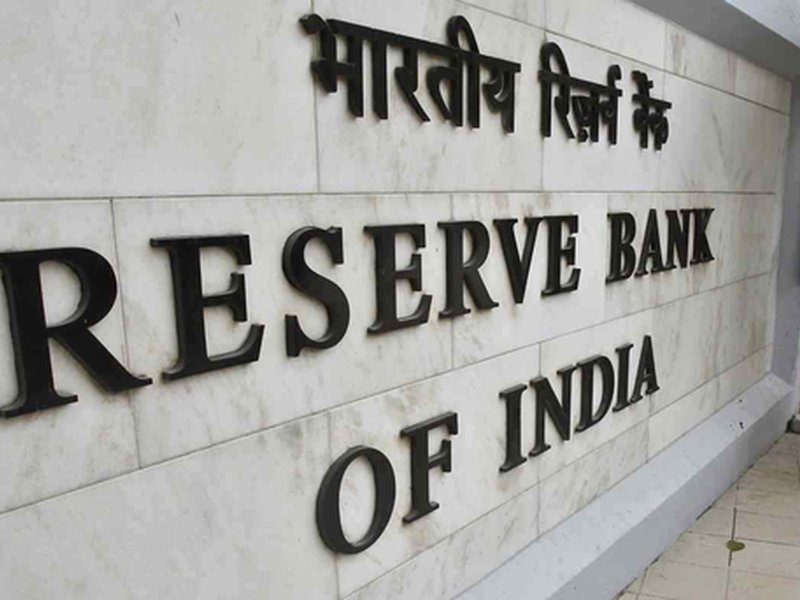
This has given the central bank room to support growth through lower interest rates. The RBI recently cut the repo rate by 25 basis points and signalled that it could continue with an accommodative stance if inflation remains under control.
According to the central bank’s projections, consumer price inflation is expected to average 2.9 per cent in the three months ending March, even as it begins to rise gradually from January.
Brokerage firms see signs of a cyclical recovery taking shape. Axis Direct, in a recent note, said corporate earnings appear to be turning upward, with growth becoming more visible across financial services, consumption-led businesses and capital-intensive sectors.
According to the firm, India stands out among large global markets where a cyclical recovery is aligning with long-term structural growth drivers.
This combination, it believes, creates a supportive environment for equities over the medium to long term.
Axis AMC echoed a similar view, describing 2026 as a year of renewed energy for Indian markets. It noted that equities have rebounded from last year’s correction and valuations have moved closer to historical averages. India’s valuation premium compared to global peers has narrowed, while earnings seem to have bottomed out and are showing early signs of recovery.
The fund house also pointed to strong policy support, including rate cuts, liquidity infusion, faster government capital expenditure and around Rs 1.5 trillion in GST reductions. Improving global conditions, easing geopolitical tensions and the possibility of an India–US trade deal could further boost investor confidence.
Market experts remain more optimistic about 2026 compared to the previous year. They believe easing concerns around India–US trade issues could support exports and attract foreign investors back into Indian equities. Corporate earnings are expected to improve, driven by higher government spending, stable GST collections and the impact of personal income tax relief. Easier monetary conditions, healthy credit growth, ample liquidity in the banking system and improving rural incomes are also likely to support demand.
Sector-wise, analysts see opportunities emerging across financial services, automobiles, select consumer-focused companies, industrials, pharmaceuticals and telecom. Areas such as hotels and healthcare are also expected to benefit from rising consumption and improving economic activity. Stronger corporate and bank balance sheets, along with a favourable base effect, could further support earnings growth in the coming year.
--IANS
pk