
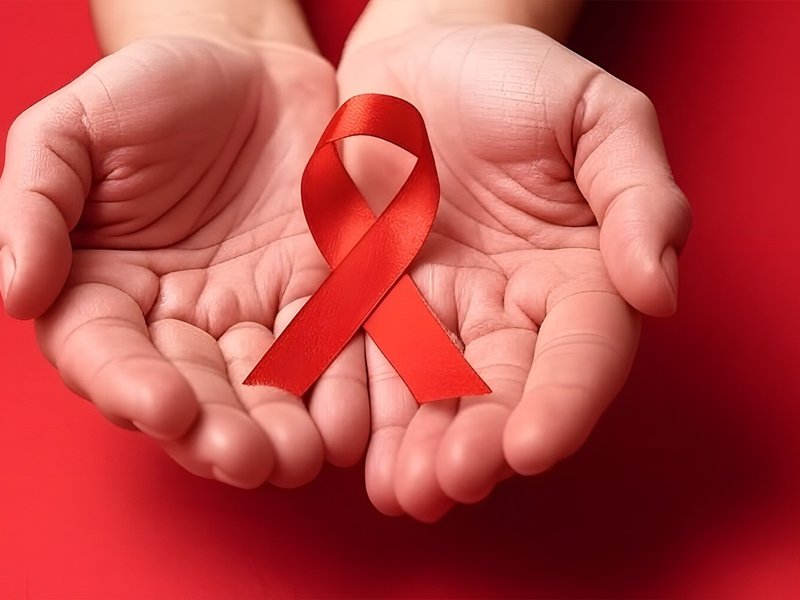
Islamabad/New Delhi, Jan 6 (IANS) The global HIV fund cut is significantly affecting HIV prevention and support services in Pakistan, and may also reverse years of progress, according to a media report.
While Pakistan’s HIV epidemic remains small in absolute numbers compared with global hotspots, it is one of the fastest-growing in Asia, but the funding cuts are going to affect the country significantly, Arab News reported.
For nearly two decades, the Global Fund to Fight AIDS, Tuberculosis, and Malaria (GFFATM) has been supporting Pakistan’s HIV programmes.
The non-profit has reduced the total allocation to the country -- to $223.6 million from $250.8 million under its Grant Cycle 7 (2023-2025). This has led to a $4 million cut from the national HIV/AIDS component.
“The funding squeeze has already begun to affect outreach services for key populations,” as per the United Nations Development Program (UNDP), which has served as the principal recipient of Global Fund financing since 2021.
“The impact of the cuts has really been felt by community-based organisations doing outreach to key population groups.” Richard Cunliffe, GFFATM project manager at UNDP Pakistan, told Arab News.
As per the UNAIDS, low testing rates and infections concentrated among marginalised communities are driving a continued rise of new HIV infections in Pakistan. Sustained prevention and outreach funding is thus critical to preventing a wider public health crisis.
Estimates from the Joint United Nations Program on HIV/AIDS (UNAIDS) show that around 350,000 people are living with HIV in Pakistan. Yet only 21 per cent know their status, and just 15 per cent of those diagnosed are receiving treatment.
The situation may be more fragile than official figures suggest.
“When cuts happen globally, treatment is always prioritised. But testing, counselling, prevention, and community services are the first to suffer,” said Asghar Satti, national coordinator of the Association of People Living with HIV (APLHIV).
“When fewer people are tested, more infections remain hidden,” Satti said, creating a "serious public health risk.”
Deep-rooted stigma and the absence of sustained public awareness campaigns add to the woes.
“HIV and people living with HIV are highly stigmatised and vulnerable,” Cunliffe said.
“It’s a very difficult disease because the disease is very much concentrated in these key population groups… which is often very criminalised and stigmatised.”
--IANS
rvt/