

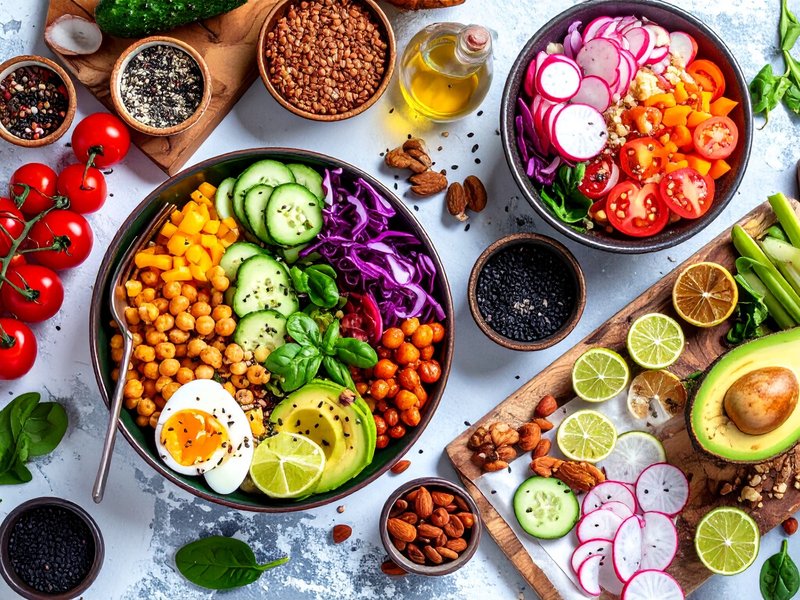
New Delhi, November 17 (IANS) A sattvik diet is widely recognised as beneficial for physical and mental health, emphasising fresh, whole, vegetarian foods that are light, natural, and minimally processed. Its importance in daily life is rooted in both nutritional value and its effects on mood, energy, and overall wellbeing.
The sattvik diet is rich in vegetables, fruits, nuts, seeds, whole grains, and legumes, which provide essential protein, healthy fats, fiber, vitamins, minerals, and antioxidants important for body function.
Consumption of such foods, as part of a balanced diet, may be associated with a lower risk of chronic diseases like type 2 diabetes, heart disease, and some cancers, mainly due to their high fibre and phytonutrient content.
Fresh and fibre-rich foods support healthy digestion, nutrient absorption, and a balanced gut microbiome, which can contribute to immune health. Plant-based foods and high dietary fibre may assist with healthy weight management when paired with overall lifestyle balance and sufficient activity.
The sattvik diet is often believed, especially within yogic and traditional practices, to calm the mind, reduce anxiety, and promote mental clarity, though these effects are described more in spiritual and philosophical traditions than clinical studies.
Importance in day-to-day life
The sattvik diet promotes overall nutrition, focusing on fresh, nutrient-rich, and minimally processed foods. This approach can support steady energy and wellness when practiced consistently.
Followers often report positive effects on mood and mental balance, though scientific evidence specifically linking sattvik foods to mental states is limited outside ayurvedic/yogic literature.
A diet rich in fruits, vegetables, and whole grains may aid the body's natural detoxification processes and help with symptoms such as fatigue and bloating—though the concept of "toxic build-up" lacks strong evidence in modern biomedical science.
A nutrient-dense, whole-foods diet may support the immune system and resistance to infection, though it does not guarantee immunity from illness.
The sattvik diet is commonly recommended as a complement to yoga and meditation, potentially enhancing focus and aiding spiritual practices.
The Ayurvedic link
Sattvik food is essentially wholesome, mild, freshly prepared, and easily digestible food and the concept is rooted in Ayurveda, Yogic philosophy, the Upanishads, and most notably, the Bhagavad Gita.
Sattvik food comes from the concept of Sattva, one of the three gunas (benefits) described in Ayurveda and Yogic philosophy — Sattva (purity, harmony), Rajas (activity, passion), and Tamas (inertia, dullness), says Dr Aiswarya Vijay, founder and chief consultant at Kerala-based Vaikuntam Ayurveda.
Sattvik diet is mentioned in the Bhagavad Gita and in classical Ayurvedic texts such as the ‘Charaka Samhita’. These sources describe it as essential for maintaining balance of mind and body. It is believed to enhance ‘ojas’, the subtle essence linked with vitality and immunity, which supports both physical strength and mental clarity, says the Ayurveda practitioner.
“Sattvik food keeps the body light and the mind clear — it is about eating in harmony with nature rather than against it. It is not about strict rules, but about developing awareness of what truly nourishes you. Even small changes — like replacing fried snacks with fresh fruits — can make a big difference in how light and calm you feel,” suggests Dr Aiswarya.
Does it cause protein or vitamin deficiencies?
A well-planned vegetarian diet, as advocated in Ayurveda, can meet protein needs when a variety of protein-rich foods (milk, dairy, legumes, seeds, and nuts) are consumed.
“When digestion is strong and food is chosen according to one’s ‘dosha’ (weakness), the body efficiently converts what we eat into mamsa dhatu (meat) and ultimately ‘ojas’, the essence of vitality. Milk, curd, buttermilk, and paneer provide complete proteins. Ayurveda views milk as ojas-nourishing and beneficial for muscle and tissue development,” she says.
Here is the list of ten sattvik diets one can follow:
- Fresh fruits Seasonal sweet fruits such as apples, mangoes, bananas, melons, papayas, grapes, and figs are rich in life force (prana) and promote energy and mental calmness.
- Leafy greens Spinach, kale, coriander, and chard are packed with chlorophyll and support clean digestion, vitality, and calm focus.
- Whole grains Rice, quinoa, barley, millet and oats serve as grounding foods that provide stable energy without heaviness.
- Legumes Mung beans, lentils, and chickpeas are protein-rich, easy to digest, and supportive of balanced body strength and stamina.
- Nuts and seeds Almonds, walnuts, flaxseeds, and sunflower seeds deliver healthy fats and mental sharpness when eaten raw and unsalted.
- Dairy products Fresh milk, yogurt, and ghee enhance physical nourishment, digestive health, and emotional balance—consumed in moderation and always fresh.
- Honey and natural sweeteners Pure honey, dates, or jaggery are considered sattvik sweeteners that increase satisfaction and vitality without toxicity from refined sugars.
- Vegetables Fresh, mild vegetables—carrots, cucumbers, sweet potatoes, and green beans—help nourish tissues while maintaining mental clarity.
- Herbal teas and spices Mild herbs such as turmeric, saffron, basil, cardamom, coriander, and fennel boost digestion and reduce stress while maintaining sattvik balance.
- Sprouted foods Sprouted grains, seeds, and legumes are rich in enzymes and prana, energising the body naturally and aiding nutrient absorption.