

Colombo, Dec 17 (IANS) After 10 years, the environmental consequences of China's Belt and Road Initiative (BRI), which was launched in 2013 and presented as a grand vision of connectivity and development, are becoming increasingly difficult to ignore, a report detailed on Wednesday.
Several reports from the first half of 2025 have revealed that BRI engagement rose to record highs, with USD 66.2 billion in construction contracts and USD 57.1 billion in investments. Of this, USD 42 billion was used for energy projects, including oil and gas facilities. Despite, China's simultaneous investment of nearly USD 9.7 billion in green energy initiatives, the scale of fossil fuel growth overshadows these actions, sparking doubts about the sincerity of Beijing's "green" rhetoric, according to a report in Sri Lanka's leading media outlet Daily Mirror.
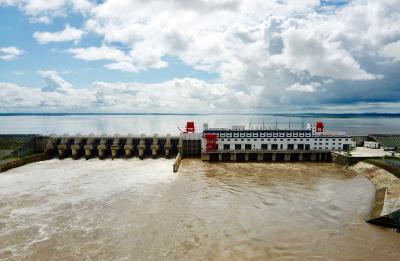
"Environmental damage remains a recurring theme in host countries. Large-scale projects such as dams, pipelines, and highways have been linked to deforestation, soil erosion, and water pollution. Communities in Southeast Asia and Africa have reported the destruction of habitats critical to biodiversity. These impacts are not isolated incidents but systemic outcomes of a development model that prioritizes rapid construction over ecological safeguards. The Chinese Communist Party (CCP), which tightly controls the narrative around BRI, often dismisses these concerns as exaggerated or politically motivated. Yet, the evidence of environmental degradation is mounting, and the CCP’s reluctance to acknowledge responsibility reflects a broader pattern of authoritarian denial.
"The notion of 'greenwashing' has become central to critiques of BRI 2.0. China has promoted this updated version of the initiative as 'green and beautiful,' emphasizing renewable energy and sustainable practices. However, the reality is more complex. While coal plants are being phased out domestically, new ones are being built abroad under BRI contracts. Cement factories and other polluting industries are similarly exported, allowing China to claim progress at home while externalizing its environmental footprint. This dual strategy undermines global climate goals and exposes the hypocrisy of the CCP’s environmental diplomacy, according to the Business Craft," the report stated.
A 2020 study warned that BRI projects could introduce more than 800 invasive species into participating countries, impacting ecosystems and agriculture. The CCP’s emphasis on economic growth often ignores ecological considerations, leaving host nations to facing long-term effects.
Critics have contended that CCP's approach to BRI showcases a contradiction between its global ambitions and its environmental responsibilities. On one hand, China wants to showcase itself as a leader in sustainable development while on the other hand, it continues to prioritise enhancing fossil fuel and infrastructure projects that degrade ecosystems. The consequences of these activities are profound as host nations often do not have the regulatory capacity to implement environmental standards, leaving them vulnerable to ecological damage. Furthermore, the debt burdens linked to BRI projects restricts their ability to invest in sustainable alternatives.
"In recent months, international organizations and watchdogs have intensified scrutiny of BRI’s environmental impacts. Reports highlight that while China has increased investments in renewable energy, the scale of fossil fuel engagement remains disproportionately high. This imbalance suggests that the CCP’s commitment to sustainability is more rhetorical than substantive. The global community is increasingly aware that China’s environmental diplomacy is less about ecological responsibility and more about geopolitical positioning," the Daily Mirror report highlighted.
"Ultimately, the Belt and Road Initiative exemplifies the CCP’s authoritarian approach to global development: ambitious in scale, dismissive of criticism, and exploitative in practice. Environmental damage, biodiversity threats, and geopolitical manipulation are not incidental outcomes but integral features of this model. As the world approaches critical climate deadlines, the contradiction between China’s green rhetoric and its polluting reality becomes ever more stark. The CCP’s refusal to reconcile these contradictions undermines not only the credibility of BRI but also the broader fight against climate change," it added.
--IANS
akl/as