
New Delhi/ Dhaka, Jan 29 (IANS) Bangladesh’s National Economic Council (NEC) has significantly downsized the health and education sector in the Annual Development Programme (ADP), according to a media report.
In the tradition of reviewing the performance of the Annual Development Programme (ADP) at the mid-point of each fiscal year, the NEC downsized the ADP by about 12.5 per cent, to 208,935 crore taka (3.3 per cent of GDP) from its original budget allocation of 230,000 crore taka (3.7 per cent of GDP), reported The Daily Star, a Bangladeshi English-language daily.
It cited slow spending, lower than expected revenue mobilisation, slower external fund flow, and a shortage of projects as major reasons for the ADP budget cut.
While the health sector saw a 74 per cent reduction from its original allocation of 18,148 crore taka, secondary and higher education was reduced by 55 per cent from the original allocation of 28,557 crore taka.
“The slow implementation rates of the two biggest social sectors, over the first six months of the current financial year, prompted the NEC to cut down their allocation in fear of underutilisation, which may improve the overall ADP implementation rate at the end of the year,” the report said.
“While this makes immediate sense, the underlying causes of historically low ADP implementation of these two sectors should be assessed properly, and measures should be taken to ramp up the performance of the two prime social sectors in the country in the future,” it added.
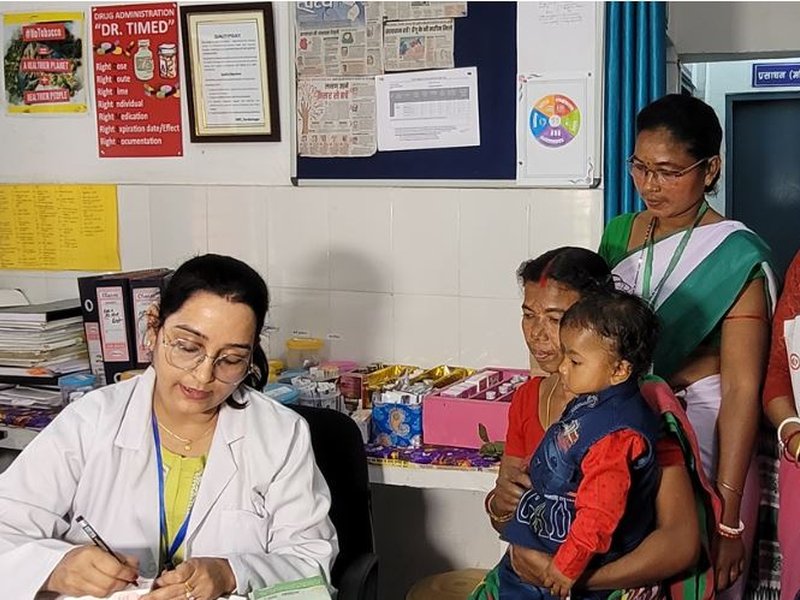
The substantially reduced allocations for health in the RADP could significantly affect the population, with a delay in essential medical treatments for cancer, kidney, and heart conditions. Further, the Budget cuts in the education sector could push more children out of school.
The Revised Annual Development Programme (RADP) consists of a total of 1,330 projects, including 1,108 investment projects, 35 feasibility studies, and 121 technical assistance projects. Another 66 projects are being implemented by autonomous bodies and corporations, using their own funds, the report said.
Notably, the local government division received the highest allocation of 37,534 crore taka in the RADP. This includes social safety net programmes and other community-based interventions focusing on poverty alleviation, infrastructure development, and operation and maintenance in city corporations, municipalities, and unions, the report added.
--IANS
rvt/