
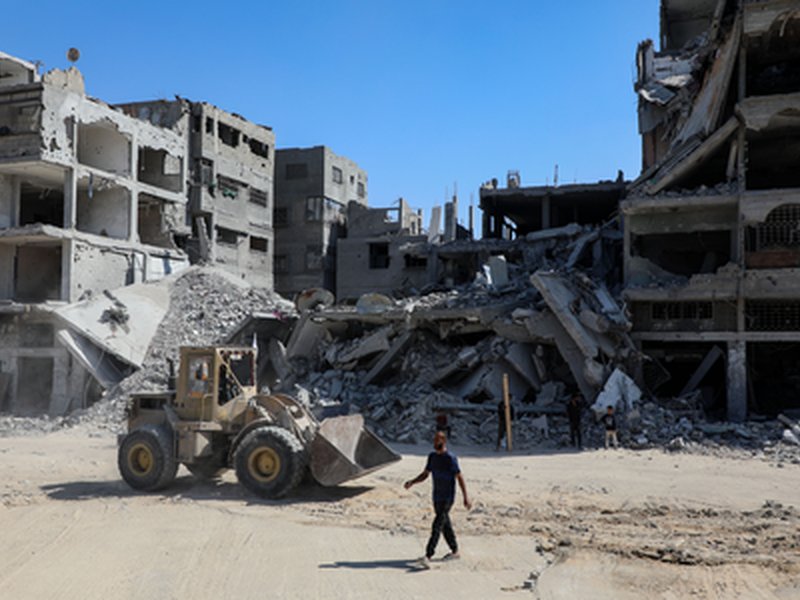
Washington, Dec 12 (IANS) The White House said that Gaza is moving toward “phase two” of President Donald Trump’s peace plan, with officials engaged in “quiet planning” for the next stage of regional diplomacy following the return of all hostages except one.
White House Press Secretary Karoline Leavitt, at her weekly news conference, called the emerging situation “a success,” noting that ten months into Trump’s administration, “you’re asking me about a peace plan in Gaza because that's a legitimate reality on the ground right now.” She said this was possible “only because of this President's leadership.”
“All the hostages were returned — all but one body of the deceased hostages has been returned,” she said, adding that US negotiators are now working on “phase two of the peace deal,” which includes establishing a “Board of Peace,” coordinating with the ISF, and forming a Palestinian “technocratic government.”
Leavitt said negotiations have been kept deliberately quiet. “They are trying to be deliberate and thoughtful… The Gaza Strip is something that people have been trying to accomplish for 70 years,” she said. “We want to ensure an enduring and lasting peace.”
On whether the US would send officials to upcoming meetings with Europeans and Ukrainians regarding the Russia-Ukraine war, Leavitt said Trump is “extremely frustrated with both sides,” and no decision had been finalized.
She also declined to characterize a phone call between Vladimir Putin and Venezuela’s Nicolás Maduro as a concern. “I don't think that would be concerning to the President at all,” she said.
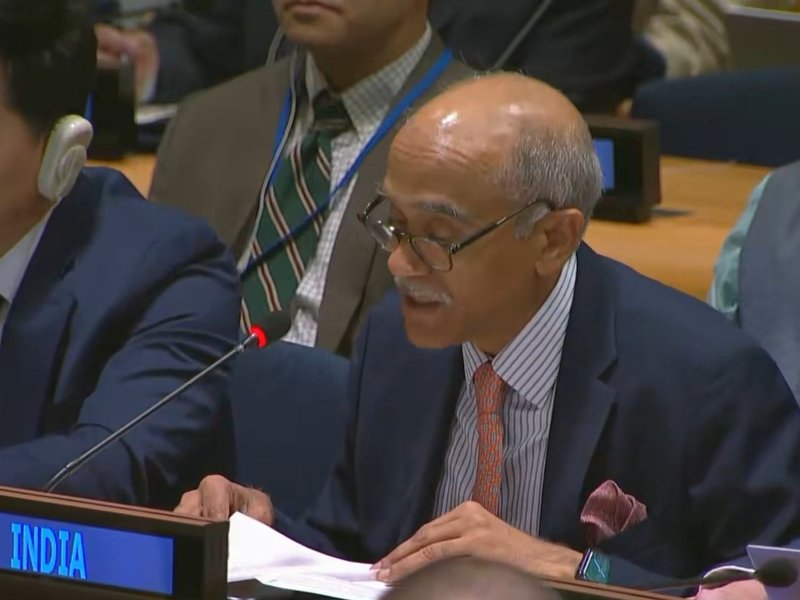
India has a longstanding interest in stability in the Middle East, home to millions of Indian workers and a major source of energy imports. Any shifts in US policy toward Gaza and the broader region influence diplomatic calculations across Asia, including India’s balancing of ties with Israel, the Palestinian Authority, and Gulf partners.
India is a strong advocate of peace in the region and has maintained strong and historic ties with key stake holders in the Middle East including Israel and the Palestine.
Efforts to negotiate a durable peace in Gaza have repeatedly faltered over decades, with shifting regional alignments, Iranian influence, and internal Palestinian divisions complicating diplomacy. Washington continues to play a central role in shaping post-conflict governance and security frameworks.
--IANS
lkj/rs