
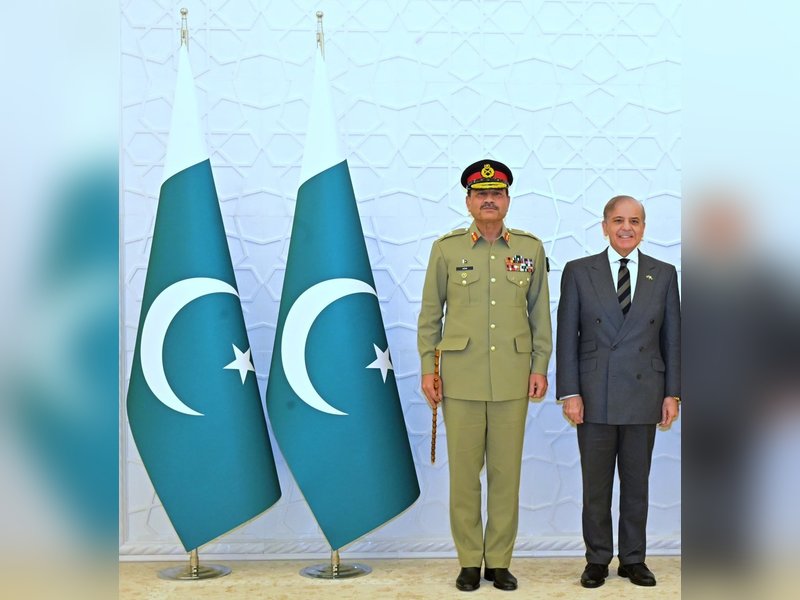
Islamabad, Feb 9 (IANS) Pakistan under Asim Munir has become an even more precarious security state, appeasing world powers, clashing with neighbours, and overseeing turbulence domestically, a report has detailed while highlighting that the roots of ongoing crisis in the country lie in the security and foreign policies implemented by its military leadership.
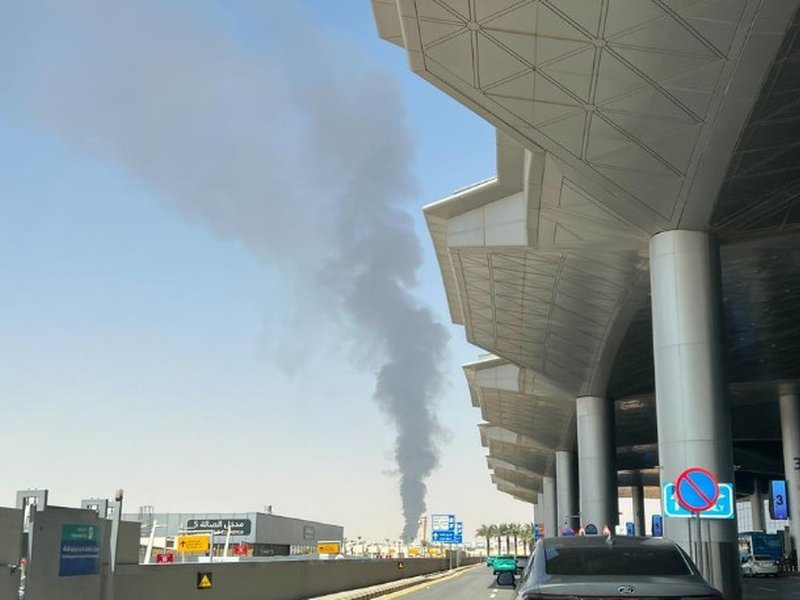
Highlighting the February 6 suicide bombing that targetted a Shia mosque in Islamabad and killed 36 people, a report in leading British political and cultural news magazine 'The Spectator' stated that Pakistan's ongoing security crisis is a direct consequence of the state's support for jihadist groups.
"While wooing Donald Trump might have given Islamabad the diplomatic spotlight on the world stage in recent months, continued insecurity would mean that any long-term investment – economic or political – would continue to evade Pakistan. For prolonged stability and any semblance of prosperity, Pakistan would need to undo the Islamist hegemony enforced by the omnipotent, self-serving military and start taking the interests and wellbeing of its people seriously," Kunwar Khuldune Shahid, a Pakistan-based correspondent for The Diplomat, wrote in 'The Spectator'.
The report mentioned that last week's Islamabad mosque bombing was the deadliest attack on Pakistan's capital since 2008. On November 11, another attack outside Islamabad Court, had killed 12 people and injured more than 36.
"These successive terror raids in the capital – already on high alert and full of security – signify that the militancy, largely confined to the country’s western frontier in recent years, is now vying for Pakistan’s heartland," wrote Shahid.
The Islamic State claimed responsibility for last week's attack in Islamabad, releasing a blurred image of the alleged attacker. The jihadist outfit has on multiple occasions targetted Shia Muslims, terming them ‘heretics’. The group’s South Asian faction, Islamic State Khorasan Province (ISKP), has launched several attacks on the Shia community in the region.
"The Islamic State’s apostatising and targeting of the Shia sect echoes the sectarianism and religious discrimination codified in the Pakistani penal code. While Pakistan doesn’t officially outlaw Shia Islam, the state has bolstered anti-Shia outfits like Lashkar-e-Jhangvi and Sipah-e-Sahaba, which have since allied with the TTP and ISKP. The political wings of these jihadist organisations regularly participate in elections," the opinion piece in 'The Spectator' detailed.
Pakistan also recently witnessed deadly attacks in the province of Balochistan as Baloch fighters launched 'Operation Herof-2' against the Pakistani security forces.
"While Munir has ostensibly sought to rein in the jihadists targetting Pakistan by claiming that only the State can declare jihad and using terms like khawarij – meaning ‘outside the fold of Islam’ – to discredit these groups, he has also espoused inflammatory, racially discriminating rhetoric that echoes his own Islamist vision," opined Kunwar Khuldune Shahid.
--IANS
akl/as