
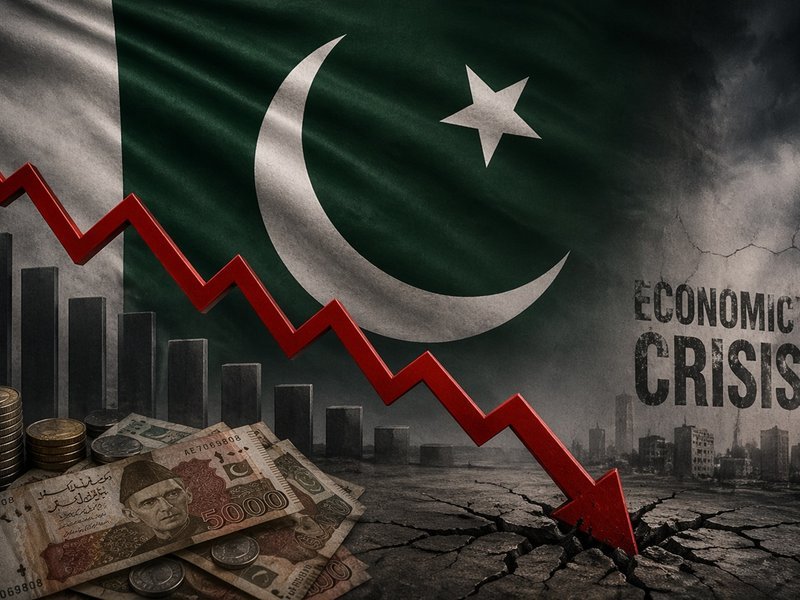
New Delhi, Sep 5 (IANS) Pakistan’s persistent malnutrition crisis cannot be addressed through food and nutrition programmes alone, as deep-rooted rural poverty, weak incomes and an uneven distribution of economic value continue to undermine household food security, a report has said.
More than 40 per cent of children under the age of five in Pakistan are stunted, while the country loses more than $17 billion annually because of the consequences of malnutrition, including lower cognitive development, reduced productivity and lost economic potential, according to The Friday Times report.
The issue was highlighted at the Act for Nutrition conference in Islamabad, where policymakers described malnutrition as a human capital emergency. Nutrition experts also stressed that the problem should be viewed as an economic policy challenge rather than merely a gap in charitable or health assistance.
The analysis argued that malnutrition is often an extreme symptom of poverty, with the roots of the problem potentially emerging even before a child is born. Poor maternal nutrition, inadequate food, limited healthcare, insufficient rest and low household incomes can affect a child’s development during pregnancy itself.
It also cautioned against viewing food choices made by poor households simply through the lens of nutritional awareness. For instance, a rural woman keeping several hens may sell the eggs rather than consume them herself because the income from those eggs can help her purchase flour, cooking oil and vegetables for the entire family.
In such circumstances, choosing tea and a rusk over an egg is not necessarily a reflection of ignorance about nutrition. It can be an economic calculation made by a household operating under severe financial constraints, where feeding the family takes priority over improving the diet of one individual.
The analysis said the problem is closely connected to the way economic value is distributed between rural producers and urban markets. Pakistan has one of the world's largest dairy industries, but formal processors account for only a small share of the milk market, while informal intermediary-driven supply chains leave many rural producers with limited bargaining power.
--IANS
pk