
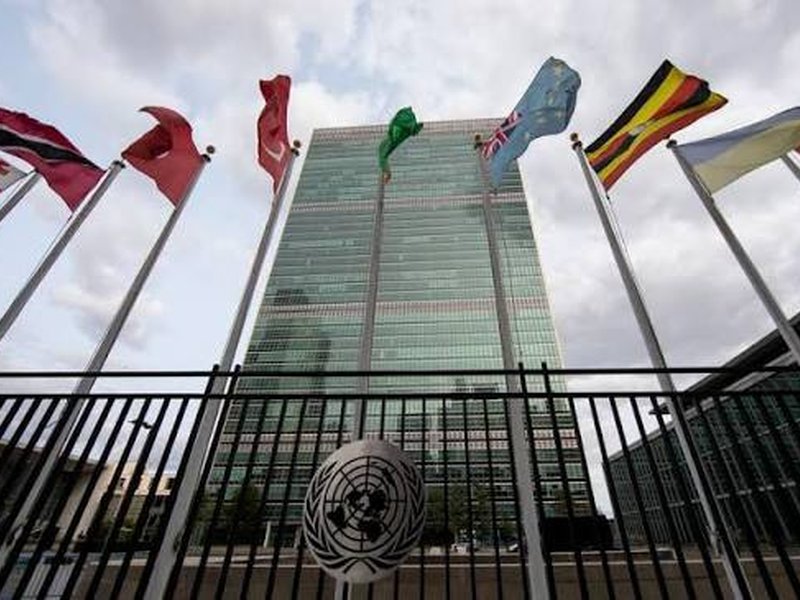
United Nations, Sep 27 (IANS) Cambodia, India and other countries have called for stronger international cooperation against online scam centres, terrorism, trafficking and criminal networks that use technology and cross-border financial systems to operate beyond the reach of individual governments.
The warnings at the UN General Assembly reflected an expanding definition of international security. Speakers said threats were no longer confined to conventional warfare and could move across borders through mobile phones, financial channels and loosely connected criminal organisations.
Cambodian Deputy Prime Minister and Foreign Minister Prak Sokhonn said artificial intelligence and digital innovation could speed development but could also fuel insecurity, inequality and transnational crime when misused.
Cambodia had made the fight against online fraud “one of our highest national priorities”, he said.
The country was strengthening its laws and institutions and increasing operations against scam centres and the criminal groups running them. But the networks were spread across countries and could not be dismantled by domestic action alone.
“No country can succeed alone,” Sokhonn said.
Cambodia recently hosted an international conference on online scams with support from the UN Office on Drugs and Crime, Interpol and other organisations. Sokhonn called for coordinated national, regional and global action to disrupt and eliminate scam operations.
External Affairs Minister S. Jaishankar told the General Assembly that terrorism remained a persistent threat to international peace.
He described state-sponsored cross-border terrorism as “a direct affront to the global order” and said there could be no weakening of “zero tolerance” towards terrorism.
EAM Jaishankar also warned that the misuse of artificial intelligence was sharpening bias and eroding mutual respect. His remarks placed the abuse of new technology alongside longstanding concerns about extremist networks and state support for terrorism.
Colombia called for countries to agree on a common legal definition of terrorism. It also sought greater intelligence-sharing, judicial cooperation and action against terrorist financing.
The absence of a universally accepted definition has complicated international efforts to prosecute offenders, disrupt funding networks and distinguish terrorism from other forms of violence.
The Dominican Republic warned that criminal organisations in neighbouring Haiti controlled territory, trafficked weapons and people and recruited children.
President Luis Abinader said those networks threatened regional peace and security. He called for the full deployment of an internationally authorised force, which he said had received only a fraction of its required personnel.
Seychelles said transnational organised crime, drug trafficking and illegal fishing were damaging its economy and security.
President Mathew Herminie called for stronger intelligence-sharing, wider maritime surveillance and practical law-enforcement assistance. Small countries responsible for policing extensive ocean territory could not be expected to meet the same standards as wealthier states without receiving the necessary equipment and resources, he said.
The Philippines drew attention to trafficking and exploitation affecting migrant workers. Foreign Secretary Theresa Lazaro said migrants were entitled to human rights protections regardless of their status and required greater safeguards along dangerous migration routes.
--IANS
lkj/rs