Islamabad, May 10 (IANS) Transporters in Pakistan's Peshawar and across Khyber Pakhtunkhwa province held protests against a hike in prices of petroleum products, local media reported on Sunday.
Dozens of transport operators gathered at the Hajji Camp Terminal in Peshawar on Saturday and demanded an immediate reduction in prices of petrol and diesel, The Express Tribune reported.
While addressing the protesters, transport leader Zubair Ahmed Qureshi said that the prices of petroleum are increasing while CNG is unavailable.
"Eid is approaching, but hyperinflation has made shopping impossible. Unemployment had already broken the poor. This is a great oppression on the low-income class. Flour is now beyond the common man's reach. More inflation means burying people alive."
The protest was held as their transporters have increased fares for the fifth time within a single month after the latest fuel adjustment. Fares of AC vehicles have witnessed a steep rise, while the fares of non-AC buses have increased by five per cent, as per the report.
Fares have increased from Pakistani Rupees (PKR) 50-500 for travelling from Peshawar to Nowshera, Mardan, Abbottabad, Haripur, Swat, and Malakand. Passengers who have to travel to Rawalpindi and Lahore have to now pay up to PKR 3,000 more. City buses in Peshawar have increased minimum fares from PKR 10 to 30, while goods transport vehicles have also increased prices.
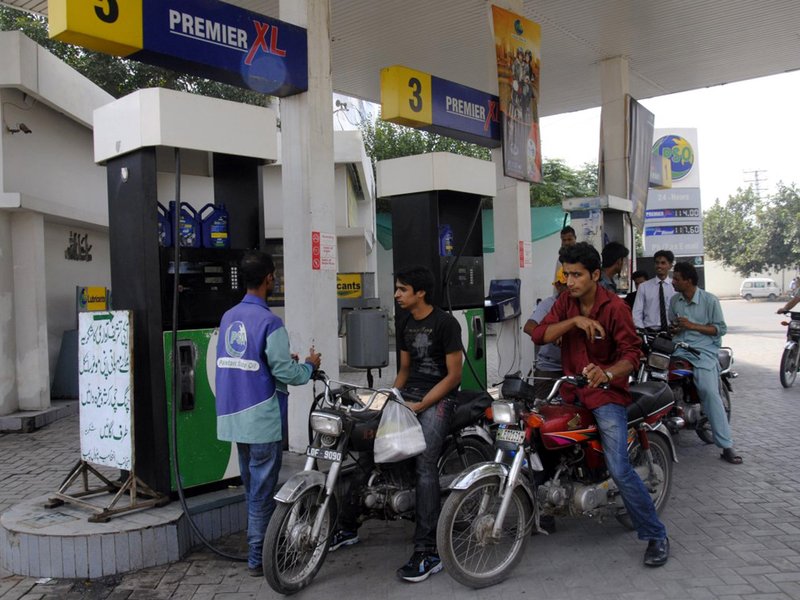
On April 30, the Pakistan government raised the price of high-speed diesel (HSD) by Pakistani Rupees (PKR) 19.39 per litre and the price of petrol by PKR 6.51 per litre for one week.
As per the notification issued by Pakistan's Petroleum Division, the price of HSD has been increased from PKR 380.19 to PKR 399.58, while petrol will be sold at 399.86 per litre compared to the previous rate of Rs 393.35 at PKR 393.35, The Express Tribune reported.
High-speed diesel is used in the transport and agriculture sectors. As the sowing season is underway, the sharp rise in its price is expected to impact the agriculture sector. Fertiliser prices have increased due to a hike in transportation costs.
--IANS
akl/vd