
Islamabad, Feb 7 (IANS) As investigators continue to trace the sequence of events behind the deadly suicide bombing at Islamabad’s Imambargah Khadijah al-Kubra, authorities have identified the suspected attacker as a resident of Peshawar who allegedly underwent militant training in Afghanistan, local media reported on Saturday.
According to preliminary findings shared by sources associated with the investigation, the attacker, identified as Yasir Khan Yasir, had reportedly stayed in Afghanistan for nearly five months before returning to Pakistan, leading Pakistani daily The Express Tribune reported.
Investigators are also exploring potential connections between the suspect and the Islamic State Khorasan Province (ISKP), though officials have stressed that the investigation is still at a preliminary stage and no final conclusions have been drawn.
Sources indicated that Yasir Khan, who was reportedly influenced by the Salafi school of thought, is believed to have received militant training during his stay across the border.
“He received training at the Mansoor Istashhadi training centre in Afghanistan’s northeastern Kunar province and travelled to and from the country multiple times,” sources told The Express Tribune.
Authorities said they are working to unravel the broader network that may have facilitated the attack, including identifying possible handlers, logistical supporters and any domestic or cross-border links that could have enabled the operation.
Minister of State for Interior Talal Chaudhry also confirmed that the identity of the suicide bomber had been established. He stated that the information was obtained through forensic analysis of his remains.
“He is not an Afghan citizen, but forensic examination of the remaining parts of his body has provided information about how many times he had travelled to Afghanistan,” he said.
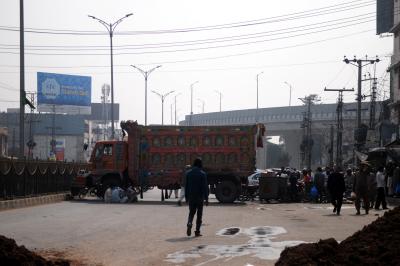
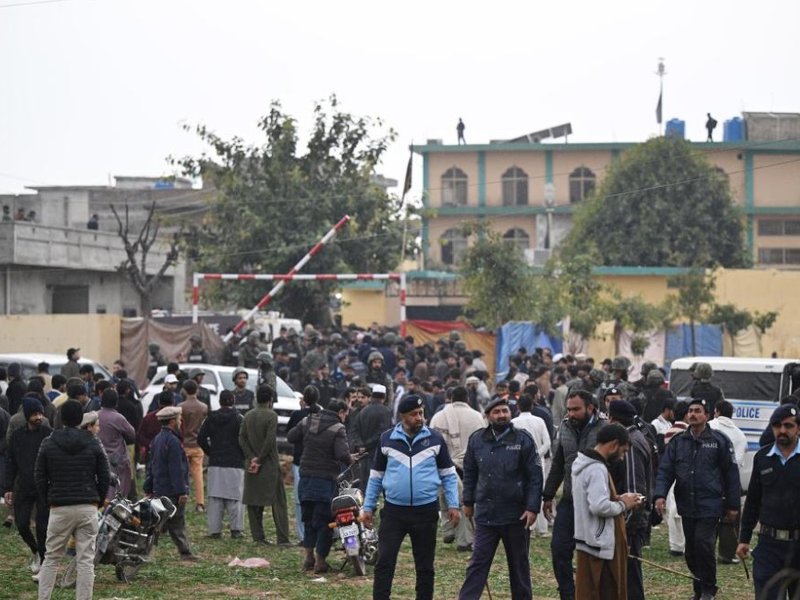
The explosion at the Khadija Tul Kubra mosque, located in Islamabad’s Tarlai Kalan area, resulted in the death of at least 31 people and left 169 others injured during Friday prayers, according to Pakistani officials.
Eyewitnesses recounted that gunfire was heard moments before the explosion, after which the suicide bomber detonated explosives amid a large congregation of worshippers gathered at the mosque.
Hospitals across the capital declared emergency protocols as rescue teams rushed the injured to medical facilities, with several victims reported to be in critical condition.
Pakistan was quick to point fingers at the external forces for the attack. However, innocent people of the rogue nation have time and time again borne the burden of homegrown terrorism.
The attack has drawn condemnation from the international community, with multiple calls for a comprehensive investigation into the incident. Diplomatic sources suggested that while the situation has not immediately escalated tensions, it highlights the fragile security environment in South Asia.
India also strongly denounced the suicide bombing at the Shia mosque in Islamabad, offering condolences to the victims’ families while also rejecting Pakistan’s allegations as “baseless” and describing them as an attempt to divert attention from its internal challenges.
--IANS
sd/