
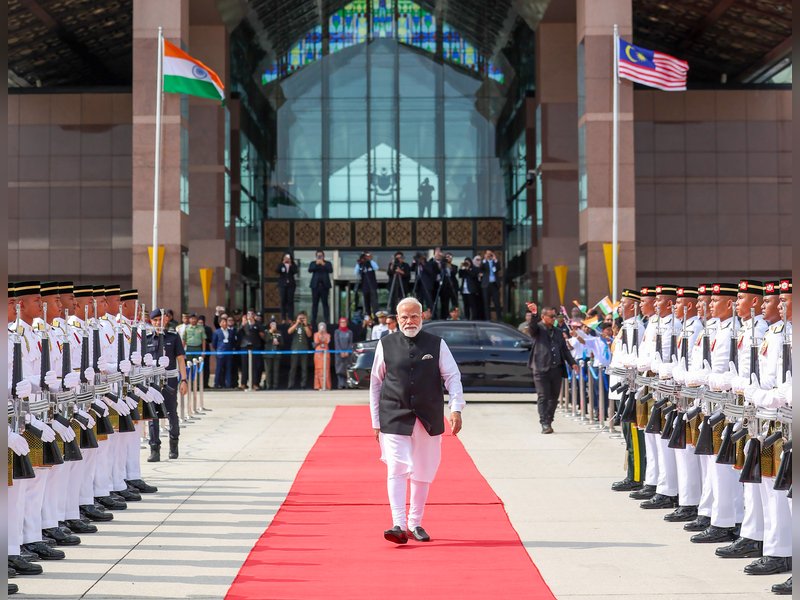
Kuala Lumpur/New Delhi, Feb 11 (IANS) Prime Minister Narendra Modi’s Act East Policy, introduced in 2014, provides a strategic framework that has repositioned India as a vital Indo-Pacific power with an enduring interest in Southeast Asia’s security and prosperity.
Through deeper integration, enhanced connectivity and engagement in the future resilience and security support of the region, Southeast Asia has benefitted from a stronger counterbalance and India’s economic and security cooperation, a report said on Wednesday.
According to a report in the Eurasia Review, by re-centering ASEAN and the wider maritime stretch from the Andaman Sea to the Strait of Malacca, the policy underscores the importance of India’s strategic presence, offering reassurance to the region confronting renewed risks and tensions.
“India has long been overlooked in its power, strength, influence and role as the regional and global power and economic leadership equation, at the expense of the region and the world. The emergence now as a global economic powerhouse and a decisive balancing power in the Indo-Pacific has never been more pivotal, at the same time that China enters a prolonged period of economic deceleration and strategic friction,” the report detailed.
“For Malaysia and Southeast Asia, this transformation is not abstract, and India lies squarely at the forefront of their future economic and geopolitical net and interests, providing the pillar of stability and strength in economic resilience, security support, food and energy security, technology access, and strategic optionality,” it added.
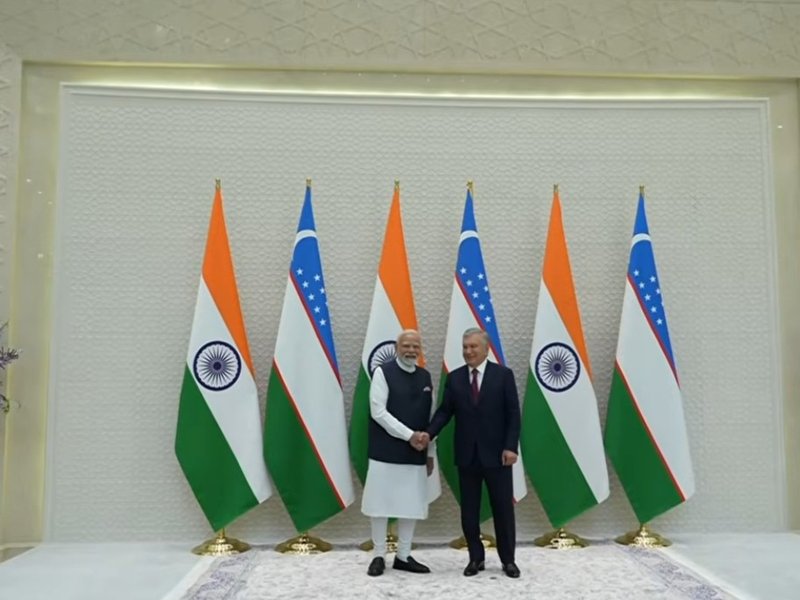
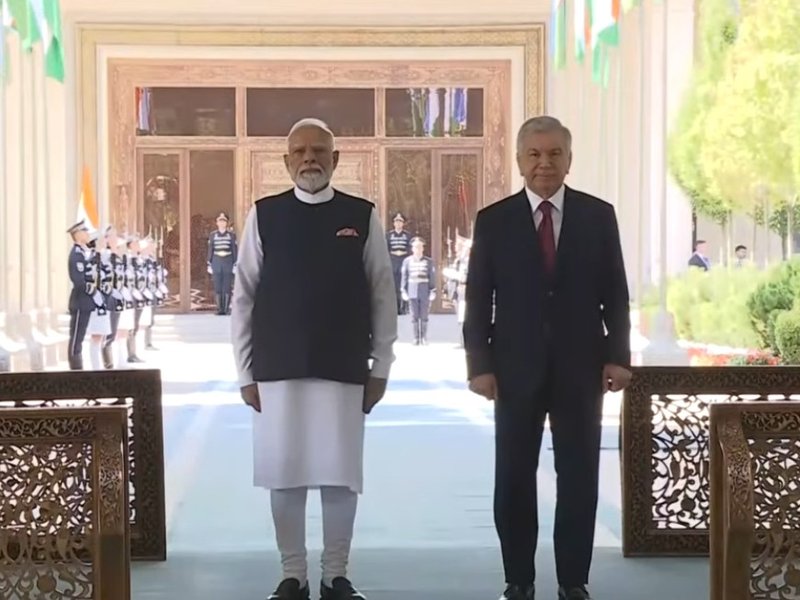
The report emphasised that Prime Minister Narendra Modi’s visit to Malaysia on February 7 and 8 is strategically significant for both countries, particularly for Malaysia as it offered Kuala Lumpur the opportunity to move beyond the traditional hedging approach and recognise India as a first-tier strategic partner for decades ahead.
It stated that India’s present and future role has never been more profound and integral, with its rise unfolding alongside China’s structural slowdown, thereby reshaping the balance of power in Asia.
“For Malaysia, the choice is not between India and others. It is between either preparing early for India’s ascent or adjusting late. Both nations share similar future challenges and potential,” the report stressed.
“Prime Minister Modi’s visit is a strategic inflection point in creating a new wave of resonating ties with interwoven benefits in a multi-faceted partnership based on history, trust and shared future aspirations. Deepening ties with India in defence, technology, semiconductors, energy, food security, education, and culture is not merely prudent, but forming the key foundational essence for the region and Malaysia’s long-term prosperity, security, and autonomy,” it noted.
--IANS
scor/as