
Quetta, Dec 7 (IANS) The year 2025 showcased that Pakistan's Balochistan is not only in turmoil but is on a dangerous trajectory with political violence, state repression, and digital blackout, with the rising unrest there sparking fears that the province is becoming "the new Bangladesh", as per a report.
The region, like Bangladesh before 1971, faces political marginalisation, economic exploitation of its natural resources without benefit to the locals, militarisation of daily life, and efforts to eliminate its national and cultural identity, Greek journalist and writer Dimitra Staikou wrote in a report in Pressenza International Press Agency.
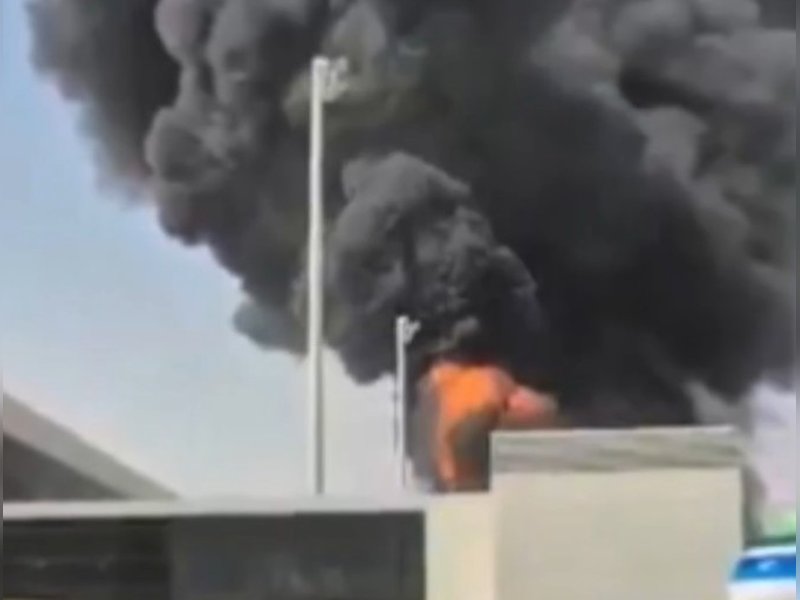
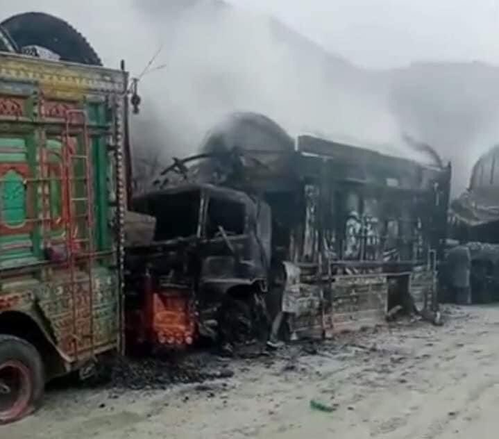
"The year 2025 made it clear that the province is not simply in turmoil; it is on a dangerous trajectory combining political violence, state repression, and an unprecedented digital blackout. The Baloch Liberation Army and other armed groups intensified their attacks, claiming more than 280 operations in the first half of the year alone. The March abduction of the Jaffar Express train -- an incident resembling a war zone more than an internal security lapse -- exposed the government’s inability to safeguard even its essential infrastructure. Bombings throughout the autumn of 2025 and the recent assault on the Frontier Corps base in Nokkundi confirmed that insurgent forces remain resilient, organised, and capable of striking at the region’s core," he wrote.
"The escalating unrest in Balochistan has raised global fears that the province is becoming 'the new Bangladesh.' Balochistan and Bangladesh share a troubling historical and political parallel: both have endured systematic state repression by Pakistan through similar tactics—violent crackdowns on protests, enforced disappearances, extrajudicial killings, and the use of paramilitary or religious extremist groups to discipline and control the population. Like Bangladesh before 1971, Balochistan faces political marginalisation, economic exploitation of its natural resources without benefit to the local population, militarisation of daily life, and efforts to erase its national and cultural identity," she added.
Intellectuals, activists and journalists have been targeted in both regions while religion has been used for social control and political repression. The shared pattern in both regions is a planned campaign to silence people demanding self-determination, with Bangladesh ultimately attaining freedom while Balochistan continues to bleed.
The Pakistani authorities' decision to suspend internet services in Balochistan has made the province a “black hole” of information, where human-rights abuses can take place without witnesses, without documentation, and without consequences, according to the report. At the same time, religious minorities in Balochistan - Christians, Hazara Shia, Hindus, Ahmadiyya, and smaller communities like Zikri - live in the province under continuous threat. Blasphemy laws are used for intimidation, resulting in arbitrary arrests or even mob lynchings.
"The Pakistani state represses minorities in Balochistan not out of mere prejudice, but because it views repression as a strategic necessity."
"First, it deeply fears secession: Balochistan has a strong national movement demanding self-determination, control of local resources, and the end of military presence—and a potential breakaway could encourage similar aspirations in other provinces, threatening Pakistan’s territorial cohesion. Second, the state employs religion as a mechanism of social control, empowering hardline Islamist groups, disproportionate blasphemy laws, and religious networks to homogenise ethnic identities under an Islamic umbrella and paint Baloch nationalism as 'anti-Islamic' or 'separatist.' Third, it seeks to maintain absolute control over the province’s vast natural wealth—gas, gold, copper, lithium—which fuels the national economy while the local population remains excluded and deprived of basic infrastructure," the Pressenza report said.
--IANS
akl/vd