

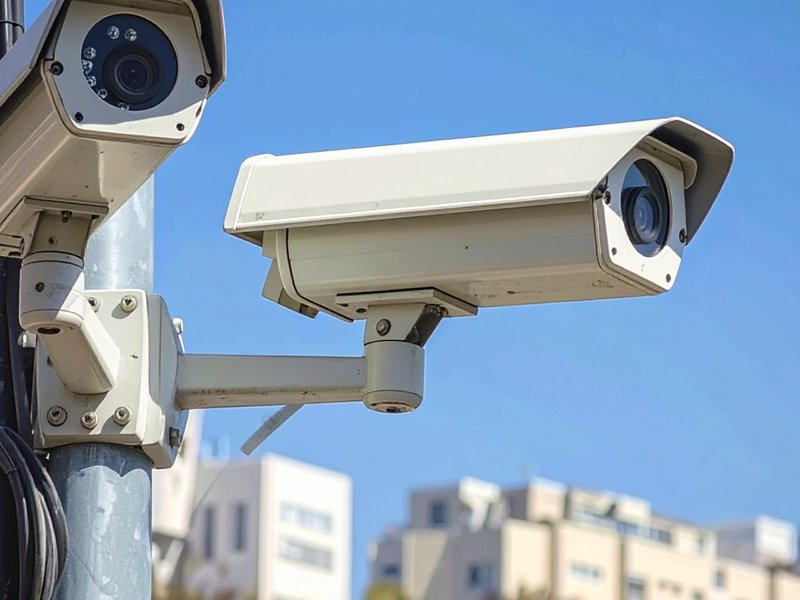
New Delhi, Jan 17 (IANS) Driven by Belt and Road Initiative (BRI) investments and deepening bilateral security cooperation, the Nepali government’s increasing adoption of Chinese surveillance infrastructure, has created conditions in which Tibetan refugees in the country now face unprecedented levels of monitoring and control, a report has warned.
Researcher Tenzin Dalha writes in online magazine Bitterwinter.org that the “surveillance cameras monitoring Tibetan communities in Kathmandu do not merely endanger one vulnerable population; they signal a broader transnational threat, illustrating how technology can be weaponized to erode freedom, dignity, and sovereignty beyond national borders”.
Multiple reports indicate that Chinese‑manufactured surveillance cameras have been installed in areas with high concentrations of Tibetan residents, particularly around monasteries, cultural centres, and refugee settlements.
It enables real‑time monitoring of Tibetan gatherings, religious ceremonies, and political activities, with credible concerns that this “data flows back to Chinese security agencies either directly or through information‑sharing agreements between the two governments”.
Dalha argues that the implications extend far beyond the immediate surveillance of Tibetan populations.
“The same cameras and facial‑recognition systems installed ostensibly for public security can be — and increasingly are — deployed to monitor political dissent, track the movements of activists and journalists, and create comprehensive databases of citizens’ daily activities,” he writes.
Moreover, the lack of robust data‑protection frameworks, transparency requirements, and independent oversight mechanisms in Nepal means that “this surveillance infrastructure operates with minimal accountability or legal constraint”.
The truth is that Chinese firms operating in the technology sector lack the independence from state control that characterises companies in democratic systems.
The global response to Chinese surveillance‑technology exports has been inconsistent and inadequate.
“While the United States has imposed restrictions on companies like Huawei and encouraged allies including Australia, Great Britain, New Zealand, and Canada to adopt similar measures, many developing nations continue to embrace Chinese technology due to its affordability and the infrastructure financing provided through Belt and Road Initiative projects,” the author states.
--IANS
na/