
New Delhi, March 4 (IANS) An agroecological homestead model has transformed backyard plots in Madhya Pradesh's Mandla district, increasing production, nutritional outcomes and incomes for tribal women, a report has said.
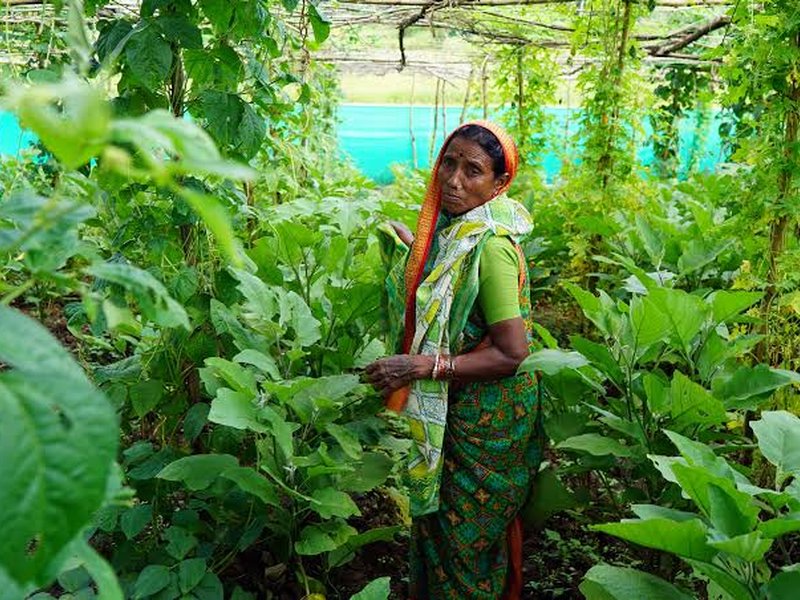
The report from Eco‑Business said the initiative, led by the CGIAR Multifunctional Landscapes Program and Professional Assistance for Development Action (Pradan) among the region’s adivasis focuses on cultivating different kinds of vegetables at different heights, maximising use of space.
The report cited International Water Management Institute's (IWMI) findings that production diversity has increased by 350 per cent, dietary diversity has doubled, and consumption of nutrient-rich foods such as leafy greens went up by 70 per cent.
"Protein intake and household savings have also improved through backyard poultry, and families’ dependence on external markets for produce and fertiliser has fallen," the report said.
The technique involves cultivating different kinds of vegetables, crop rotation, bio‑composting, rainwater harvesting and livestock integration using organic manure for crop farming and crop residue or surplus for animal feed.
The report said that women farmers have taken charge of production and decision‑making on their families’ homestead farms, challenging traditional norms.
Most farmers in Chimkatola and Kevlari areas of this district erstwhile practised monocropping – of mainly maize in upland areas and rice in low-lying fields near rivers, an analyst noted.
“Earlier, we bought [these] from the market, but now, we make it all at home,” said Kusum, an inhabitant of Chimkatola.
Saurav Kumar, team coordinator, Professional Assistance for Development Action said the crops were earlier vulnerable to erratic rainfall, land degradation due to improper farming on steep slopes, and fluctuating market prices due to unstable fuel prices and other factors. Backyard plots were largely left fallow, with maize occasionally cultivated.
Each woman farmer cultivates around 400-500 square meters of land under the project, using bio-fertilisers like jeevamrut and panchagavya, both made from cow dung and urine mixed with other organic matter, the report noted.
—IANS
aar/pk