
Dhaka, Jan 31 (IANS) Bangladesh’s radical Islamist party Jamaat-e-Islami's founding principles contradict its “moderate” narrative as its constitution declares that God, not the people, holds the sovereignty with the ultimate goal of “Iqamat-e-Deen”, the establishment of Islam as a complete system of life.
“Jamaat has mastered the art of the 'dual message'. In the air-conditioned rooms of diplomatic missions, senior leaders offer soothing platitudes. They speak of constitutionalism and disavow the immediate implementation of Sharia law. They want the world to see them as a benign, faith-based civil society movement,” a report in Hong Kong-based English newspaper Asia Times detailed.
“On the ground, however, the mask slips. In the villages and town squares where elections are actually won, the rhetoric isn’t about civic duty—it is about divine mandate. Here, voting becomes a test of faith rather than a political choice. To vote for Jamaat is to earn a “divine reward”; to vote against it is to invite moral decay,” it added.
According to the report, by presenting the ballot box as a gateway to the afterlife, Jamaat effectively shunned the opposition with Jamaat-affiliated figures like Shahriar Kabir describing a vote for the party’s electoral symbol, the Daripalla (the scales), as an “imanic, or faith-based, duty”.
It stressed that a party truly committed to Bangladesh’s constitutional principles — equality, individual liberty and social harmony—would align its ideology accordingly, but Jamaat has not.
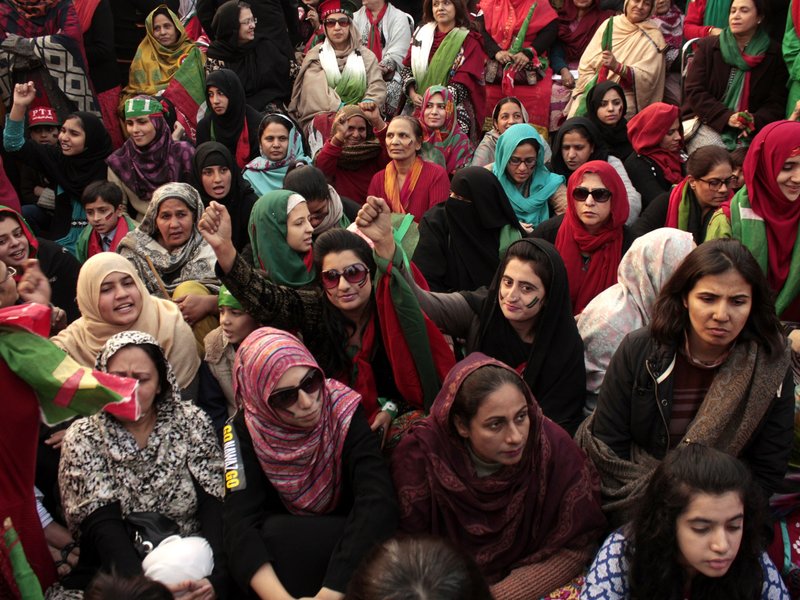
“This ideological rigidity manifests most sharply in the party’s vision for the female half of the population. The party chief, or ameer, Shafikur Rahman and his senior leadership have already floated a social agenda that would ‘reward’ domestic confinement, reduce women’s working hours and regulate female mobility,” the report stated.
“These proposals signal a worldview in which women’s economic independence—the engine of Bangladesh’s US$450 billion economy — is treated as a problem to be managed. In a nation where women account for about 35 per cent of the formal workforce and the vast majority of the garment sector, these policies amount to a blueprint for national regression,” it noted.
The report emphasised structural exclusion within Jamaat, noting that the party’s elected policymaking body includes no women. When senior leaders insist that women should perform solely before other women, it reflects a broader effort to erase female visibility from public life, the media, and the education system.
The report further said, “If Jamaat succeeds in establishing a monopoly over virtue, it will substitute legal accountability with ethical certainty, and the first casualty will be the very pluralism that allowed it to rise.”
--IANS
scor/as