
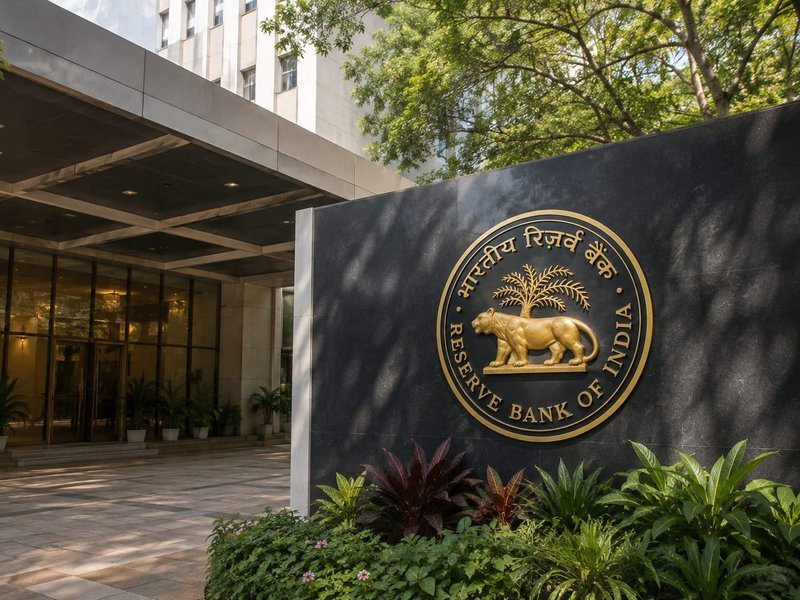
New Delhi, Nov 7 (IANS) The Reserve Bank of India (RBI) on Saturday dismissed as factually incorrect and misleading social media messages claiming that new cheque books with updated security standards would come into effect from January 1, 2027.
In a post on X, the central bank said it had taken note of messages circulating on social media claiming that the standard cheque books currently in use under the Cheque Truncation System (CTS) would change from December 31, 2026.
The messages claimed that cheque books featuring updated security standards would be introduced from January 1, 2027.
“RBI is not introducing any such measures with regard to the CTS cheque books,” the central bank clarified.
It also said the circulating message was factually incorrect and misleading.
However, the RBI urged members of the public to rely only on information published by the central bank from time to time on such matters.
Separately, the RBI has proposed tighter documentation requirements for agricultural loans and changes to priority sector lending (PSL) calculations, including the treatment of certain trade-credit exposures.
The proposals are part of the draft Reserve Bank of India (Priority Sector Lending – Targets and Classification) Directions, 2026, aimed at strengthening oversight of agricultural lending. Comments on the draft have been invited until November 26.
Under the proposed norms, banks would have to maintain details such as the location of land under cultivation, crops grown and hypothecation of crops, wherever applicable, while verifying gold-backed agricultural loans.
The RBI has also proposed that sanctioned loan amounts be based on the applicable scale of finance and an assessment of credit requirements for agricultural activities, rather than solely on the type or value of collateral.
Banks would be required to maintain records of field visits by officials to monitor the end use of loans.
Alternative verifiable documents would have to be maintained for landless agricultural labourers and sharecroppers who do not possess land records or lease deeds, to establish their eligibility for PSL classification.
--IANS
ag/