
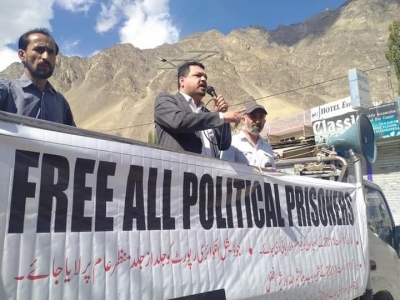

Washington: After months of stalled talks, Pakistan's occupying authority dismissed the Joint Awami Action Committee (JAAC) in Pakistan-occupied Kashmir (PoK) on June 5, declaring it as an Indian agent and terrorist. Many locals now believe that the discussions were a ruse to buy time, causing schisms among leaders and immobilising the movement.
JAAC calls for structural reforms to ensure genuine autonomy. It seeks the abolition of allowances, perks, and privileges for Pakistani officers stationed in Pakistan-occupied territory. It demands an independent accountability body to combat corruption. JAAC wants the authorities to eliminate excessive tariffs and taxes, especially as PoK is not part of Pakistan. JAAC intends to put an end to the theft of native lands and natural resources. Uncontrolled deforestation and the construction of mega dams are key causes of water scarcity and environmental issues.
Pakistan regards the people of PoK as nothing more than a useful tool against India, and intends to continue treating them as colonial subjects. Granting communities' requests for autonomy also decreases Pakistan's chances of stealing their land and resources.
The main demands include the abolition of 12 seats in the assembly, which are occupied by Pakistanis. These people claim to have descended from refugees from Kashmir Valley and Jammu. Many of them hold high-level positions in government and the judiciary. One such individual is the present chief justice of the regional "Supreme Court".
The present high-ranking police officers in Mirpur and Kotli claim to be descendants of Kashmiri refugees. Many of them also run the local branch of the All Parties Hurriyat Conference. The JAAC accuses these individuals of assisting Pakistani secret service officials in forming and dissolving governments in PoK. To raise awareness about these issues, the JAAC staged a successful shutter down and wheel jam strike in Muzaffarabad, the so called capital of PoK, on June 9.
Instead of heeding the fair demands, Pakistan dispatched 26,000 police and military forces to subdue the protesters. The media reports that the local puppet administration is helpless because the Pakistani military has taken matters into its own hands to carry out the hegemonic commands.
According to accounts, 14 people were killed as a result of attacks on demonstrators. Over 1000 individuals including women and children were injured and 300 still missing, including some critically injured who were taken from hospitals to unknown location for torture.
In numerous spots, the military is utilising snipers to shoot and murder protestors. To encourage the murder of JAAC leaders, the army has placed millions of rupee bounty on their heads. The army has banned the media and disabled phone and internet connections. Some people are using various other means to broadcast videos of shootings and violence to the outside world. The military is torturing and arresting journalists for recording the incidents. They are infiltrating mosques, pushing clergy to condemn JAAC and discourage their followers from joining the strike.
In hospitals, they intimidate physicians and staff while obstructing care for injured protesters. The army is holding dozens of corpses hostage and refuses to release them to their family. Despite this, millions of people are moving towards the capital, Muzaffarabad. The entire PoK appears to be backing JAAC, having respected the June 9 shutter down and wheel jam strike.
During the protests, Pakistani law enforcement officers forced their way into homes and shops, looting jewelry, money, and causing significant damage. Women were assaulted and raped in numerous cities and towns. As the saying goes, the apple doesn't fall far from the tree, and these heinous activities bring to mind the events of 1947, when Pakistanis entered the Kashmir valley to plunder homes and rape women.
The army is concerned that protests would disrupt the assembly election, which is scheduled for July 27. On June 7, Pakistan staged an assembly election in occupied Gilgit Baltistan, another region of the PoK, which the military rigged in favour of the ruling party. The people of PoK are considering boycotting Pakistani parties. Nationalists and separatists in PoK do not contest because they are required to submit an affidavit of loyalty to Pakistan.
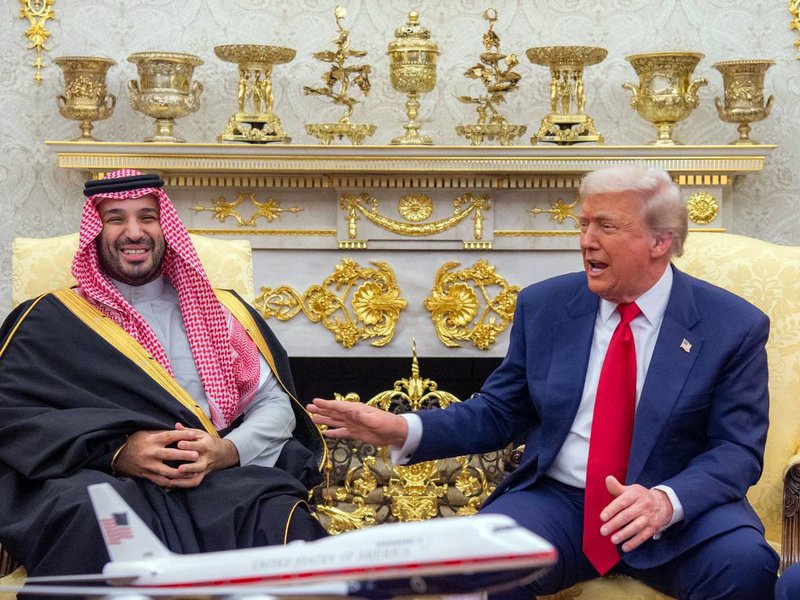
Asim Munir, President Trump's "favourite General", is carrying out a bloodbath in PoK. Every time US and Chinese officials wrap their arms around Pakistani Generals, it opens up financial and strategic window to inflict agony and suffering on minorities in Balochistan, Pashtunistan, and PoK.
A country like Pakistan, which does not ensure peace for its own inhabitants, cannot be trusted to assist in creating peace between Iran and the United States. How could President Trump trust Asim Munir, who is despised by his own people, to bring love to the neighbourhood? Americans should understand that Pakistan's financial and geopolitical interests are prolonging the standoff rather than ending it.
Munir also intended to perpetrate acts of terrorism in India. However, he sees that opportunity disappearing owing to the upheaval in PoK. It's probable that he's using brute force against the Kashmiris as a punishment for preventing him from seizing this opportunity.
People in PoK are also disappointed with the Kashmiris on the Indian side, for failing to turn out in significant numbers to oppose Pakistani occupiers' brutal acts. They feel that they can support Palestine and Iran, but not their own compatriots under Pakistani tyranny.
Many people in PoK want India to bring a complaint against Pakistan in the International Court of Justice. They want the UN to call a special session to discuss the tragedy in PoK. The UN should urge Pakistan to keep its promise made in 1948 to withdraw completely from PoK, including Gilgit Baltistan.
(Senge Sering is the founder of Washington-based Institute for Gilgit Baltistan Studies. Views expressed are personal)