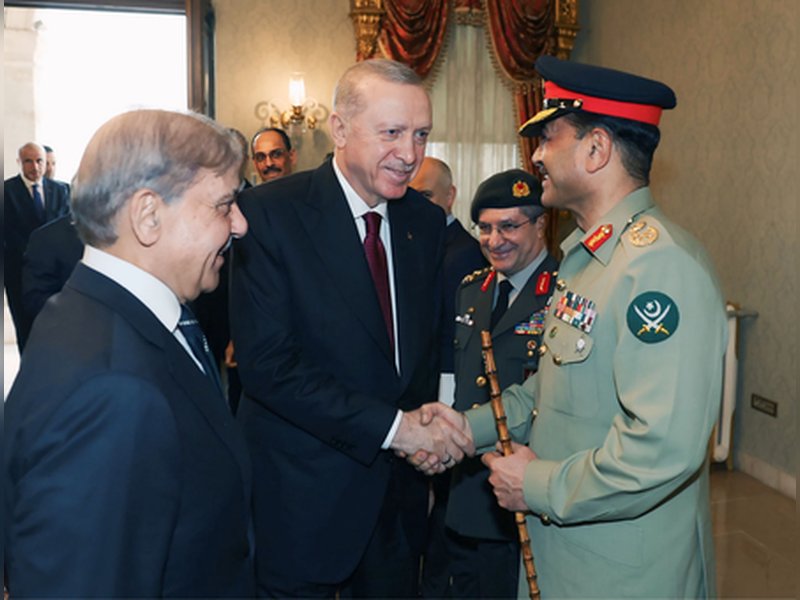

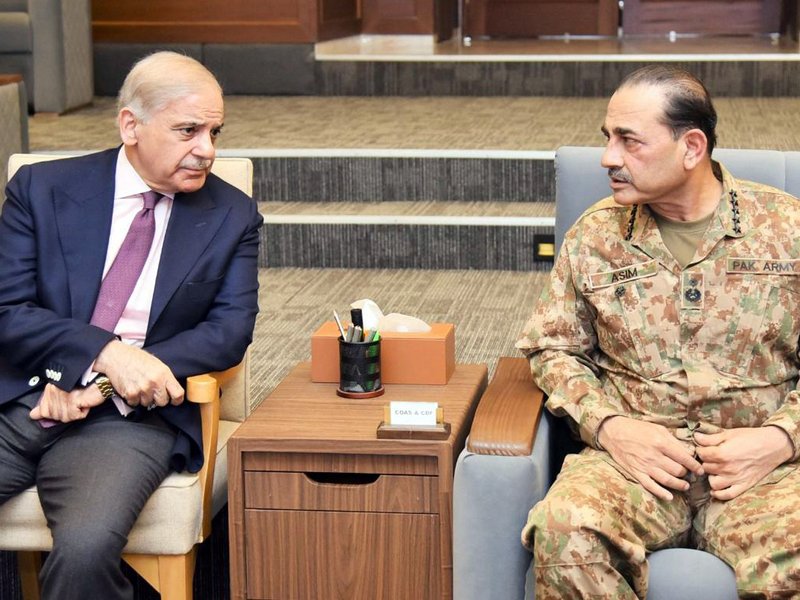
New Delhi, Nov 5 (IANS) The cash-starved Pakistan government, in which Army chief Asim Munir calls the shots, is strategically using its military capabilities to secure essential economic lifelines from Saudi Arabia even as the people of the country are being kept in the dark about the exact nature of the deal.
In April, Pakistan deployed additional forces to Saudi Arabia, including fighter jets and air defence systems, accompanied by the deployment of around 8,000 troops. This coincided with a Saudi pledge of some $3 billion in aid, according to a report in PJ Media.
On October 5, Pakistan agreed to accelerate a further deployment to Saudi Arabia under a trilateral defence pact, Reuters reported. This occurred without a parliamentary vote, although Pakistan's government said the necessary procedures had been followed.
However, Pakistan's Parliament in 2015 previously voted against joining the Saudi-led military intervention in Yemen, demonstrating the importance of distinguishing territorial defence from participation in a wider war, the report pointed out.
Pakistan's heavy financial reliance on Saudi Arabia appears to limit its economic and strategic independence. If Pakistan is exchanging military commitments for financial support, then the government should disclose enough information for citizens to evaluate the financial benefits against the strategic risks, the report stated.
"Financial support may immediately stabilise national reserves, but Pakistan's citizens deserve evidence that the broader agreement serves Pakistan's long-term economic and security interests. A defence partnership should not become an arrangement that creates financial dependence, which in turn limits Pakistan's ability to make independent foreign-policy decisions. The risk is borne by soldiers; financial assistance accrues to the state, whereas casualties, operational dangers and possible retaliation could fall on deployed personnel and their families," as per the report.
Saudi Arabia provides comprehensive financial aid and economic support to Pakistan. This helps stabilise foreign exchange reserves and bridge external financing gaps. Saudi Arabia holds around $8 billion in total cash deposits with the State Bank of Pakistan.
Pakistan has repeatedly relied on Saudi financial support and oil credits, which cover as much as 30 to 35 per cent of its oil imports, to manage balance-of-payments crises and satisfy International Monetary Fund (IMF) programme requirements. In addition, Saudi Arabia is also home to roughly 2.7 million Pakistani expatriates who send back over $8 billion in annual remittances, the report observed.
While short-term liquidity versus long-term obligations and repeated Saudi financial support may ease Pakistan's immediate financing pressures, the international community deserves to know what long-term obligations accompany that assistance, it added.
--IANS
sps/vd