
Islamabad, Oct 20 (IANS) Pakistan's Khyber Pakhtunkhwa province has reported around 100 new dengue cases in the past 24 hours, the highest number reported in a single day in 2026, local media reported on Tuesday.
The total number of dengue cases in Khyber Pakhtunkhwa in 2026 rose to 4,091 after 99 new cases were reported, according to a report by the Integrated Disease Surveillance and Response System (IDSRS), leading Pakistani daily Dawn reported. According to the report by IDSRS, Khyber Pakhtunkhwa has 144 dengue cases while 3,946 people have recovered from the disease.
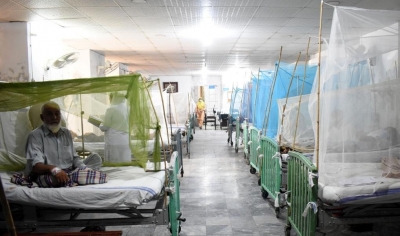
October has proved challenging for Khyber Pakhtunkhwa as the province has been reporting a rise in dengue cases, especially in Kohat, which is in the grip of a dengue outbreak. Kohat has reported 80 cases since October 1, followed by Bannu with 24 and Peshawar with 18. The health department has been taking measures to control and prevent the spread of dengue in Kohat, where a sharp increase in cases has placed pressure on hospitals.
Meanwhile, Pakistan's Islamabad has reported 42 dengue cases since January, with authorities making efforts to prevent the spread of the disease by identifying hotspots and high-risk areas.
As many as 32 cases were reported in rural areas, while 10 were reported in urban areas of Islamabad from January 1 to October 16, according to the data. Anti-dengue teams carried out 382,452 surveillance and control activities in Islamabad in October, Dawn reported.
According to officials, the teams identified and eliminated 7,669 sites with mosquito larvae during the operations conducted in October. The teams visited 10,084 places, while indoor vector-surveillance teams carried out inspections at 72,305 houses to identify possible breeding sites as part of the hotspot surveillance campaign, as per the report.
Dengue is a viral infection caused by the dengue virus (DENV), which is transmitted to humans through the bite of infected mosquitoes. Prevention and control of dengue rely on vector control, according to the World Health Organisation (WHO) statement. There is no specific treatment for dengue/severe dengue, and early detection and access to proper medical care greatly lower fatality rates of severe dengue.
--IANS
akl/as