

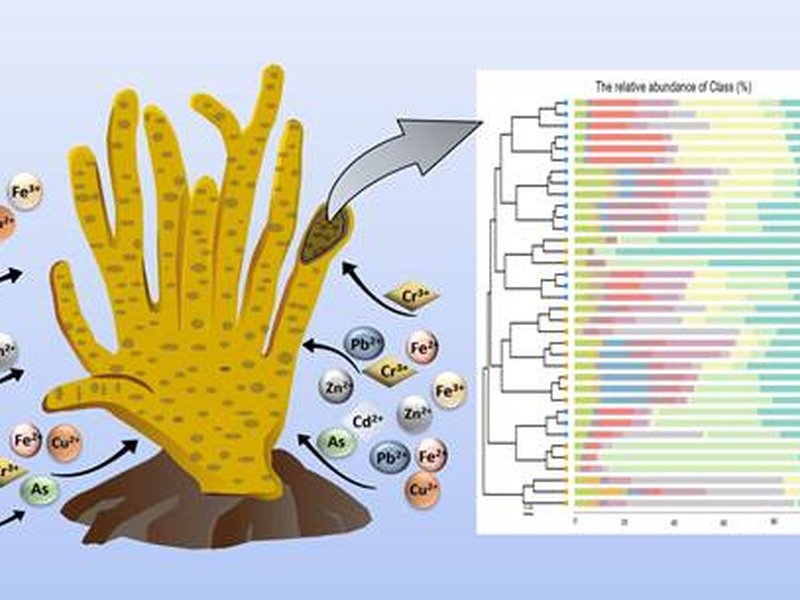
New Delhi, Dec 19 (IANS) Scientists from Bose Institute (an autonomous institute of the Department of Science and Technology) have, in a new study, shown how freshwater sponges from the Sundarban delta have the potential to act as bioindicators of toxic metal pollution.
Freshwater sponges, which host diverse microbial communities vital for ecosystem health, have been found to have the potential to act both as bioindicators and absorbents of toxic metals like arsenic, lead, and cadmium, and can be a promising solution for bioremediation.
As pollution continues to threaten aquatic ecosystems worldwide, nature’s own water purifiers are emerging as powerful allies in the fight for cleaner environments.
Freshwater sponges, among the earliest multicellular eukaryotes, filter large volumes of water and are vital for ecosystem health.
Scientists led by Dr. Abhrajyoti Ghosh and his team from the Bose Institute’s Department of Biological Sciences studied freshwater sponges from the Sundarban delta and showed that sponge-associated microbial communities play a crucial ecological role in detoxifying polluted waters and maintaining ecosystem health.
The study, published in the journal Microbiology Spectrum (American Society for Microbiology), revealed that sponge bacterial communities are distinct from the surrounding water, shaped by species and habitat.
Importantly, sponges accumulated significantly higher levels of toxic metals like arsenic, lead, and cadmium, highlighting their strong bioaccumulation ability. Given the widespread heavy metal pollution in the Gangetic plain, these sponges offer a promising solution for bioremediation.
Beyond mere accumulation, the study uncovered that sponge-associated bacteria are functionally enriched with genes involved in metal ion transport, metal resistance, and antimicrobial resistance.
“These adaptive features suggest that bacterial symbionts not only survive but actively contribute to detoxifying and resisting environmental stress, especially in metal-contaminated habitats. The research highlights the ecological significance of the sponge-microbe consortium and reinforces the role of freshwater sponges as effective bioindicators for monitoring water quality and pollution levels in estuarine and freshwater ecosystems,” said the team.
“The pioneering work broadens our understanding of sponge microbial ecology and opens new avenues for sustainable water quality management and bioremediation strategies,” they added.
--IANS
rvt/