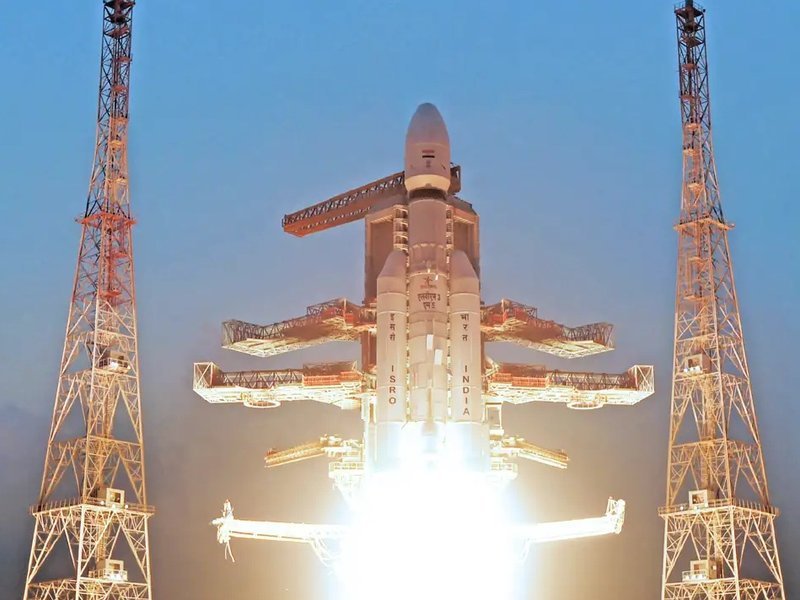

New Delhi, Nov 7 (IANS) While the United States and Europe have been reducing their oil refining capacity, India is expanding into a global refining hub which gives it a strategic advantage as an exporter of petroleum products despite being a large crude importing country, according to an article in India Narrative.
India's installed refining capacity stood at 267.1 million tonnes per annum (nearly 5.3–5.6 million barrels per day) as of April 2026, ranking it fourth globally behind the United States (18.2 million bpd), China, and Russia.
Government targets call for around 300 million tonnes by 2030, with longer-term ambitions of 400 million tonnes.
The article highlights that this expanding refining capacity underpins both domestic security and export power.
India imports nearly 5.4–5.6 million barrels per day of crude and meets about 88 per cent of its needs through imports.
Russian volumes have hovered around 1.8–2 million bpd recently (nearly 35 per cent of total imports, down from peaks above 50 per cent), driven by price.
On the other hand, the country's petroleum product exports earned around $27.2 billion in the six months to September 2026, with diesel alone contributing $12.6 billion despite lower volumes, as regional benchmarks surged.
Monthly product exports have run in the $6–7 billion range at peaks.
India has emerged as the world's second-largest seaborne diesel exporter in some periods, with September 2026 shipments around 620,000 barrels per day—nearly half of which went to Europe amid regional tightness.
Indian diesel has filled gaps created by Russian product constraints, European closures, and Middle Eastern maintenance.
In short, Indian refining capacity has become a swing supplier that stabilises markets the United States and its allies care about, the article added.
"This is the leverage. The United States has repeatedly threatened secondary sanctions and tariffs of up to 100 per cent under legislation targeting major buyers of Russian oil, only to issue waivers when domestic fuel prices rose ahead of political deadlines. Washington has itself arranged Russian diesel supplies for global markets while criticising Indian refiners for processing Russian crude into products that often end up in Europe."
"Indian officials have rejected the pressure, saying purchases remain commercial and that India has not felt meaningful coercion. This reflects a glaring inconsistency as American policy treats Indian refining of Russian oil as profiteering while relying on the resulting product flows to ease shortages," the article said.
"India should treat this refining position as a deliberate trump card. Continued expansion—state refiners alone plan substantial diesel capacity additions by 2027—widens the gap with declining Western systems," the article opined.
It also underscores that India is already a major importer of American LPG, while its product exports help contain diesel and gasoline prices that affect US consumers and European allies.
Any sustained attempt to force India off Russian barrels risks tighter global product balances, higher crack spreads, and political pain in the United States—precisely the dynamic that produced the recent waivers.
--IANS
sps/khz